Search Results
213 results for “Disease Prevention, Skin Care”

Are Hairless Guinea Pigs Hard to Care For?
Hairless guinea pigs are trickier because they lack fur protection and catch cold easily. Keep them at 20–25°C with added humidity, clean them with a damp cloth, check their skin often, and give space and social time with other guinea pigs.
Common dog diseases and their treatments
Common issues are parasites, skin disease, viral infections, respiratory and digestive problems, each needing specific prevention and treatment.
How do you care for a Ragdoll cat?
As a long-haired breed, Ragdolls need regular coat care and disease prevention. Feed small, easily digestible, timed meals to protect their delicate stomachs.
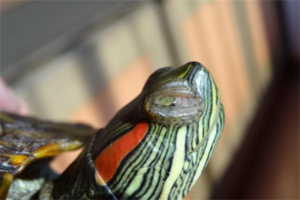
What Are the Symptoms of Turtle White-Eye Disease?
Turtle white-eye disease is a bacterial infection: early signs are a red, whitening nictitating membrane with discharge, worsening to swollen, stuck-shut eyelids and a cloudy cornea, often with lost appetite. Treat with gentle cleaning plus antibiotic eye drops and ointment (and oral antibiotics for severe cases), warm the habitat, and keep water clean to prevent it.

How to Choose a Skin Spray for Your Dog
Skin problems flare up in warm, humid weather, and a good skin spray is one of the most practical items for a dog first-aid kit. Rather than chasing the cheapest or most advertised product, owners should judge a spray on ingredient safety, the right target for the infection, and the maker's track record. This guide explains when a spray helps, what to look for on the label, and the daily habits—dry bedding, clean toys, avoided puddles—that do more to stop recurrence than any bottle. Sprays are for mild care and prevention, not severe disease.

How to Care for Your Dog in Autumn
Autumn's cool, dry, changeable weather feels great to us but asks for a few adjustments in dog care. Fatigue from summer, dropping temperatures, and dry air all affect a dog's body, coat, and digestion. A few simple habits around food, grooming, exercise, and disease prevention keep your dog comfortable through the season.

6 Common Cat Diseases and How to Prevent Them
Cats hide pain well and can't tell you what's wrong, so owners need a basic grasp of common feline illnesses. Beyond regular checkups and vaccines, know the warning signs of the six frequent problems: urinary tract disease, respiratory infection, periodontal disease, parasites, ringworm, and ear mites. This guide summarizes each condition's symptoms and the everyday prevention that matters most—more water, less stress, dental care, deworming, and a clean, dry environment.

Treating and Preventing Turtle Water Mold Disease
Poor water quality from leftover food and waste is the root cause of turtle water mold, usually from poor management. Treatment uses antifungal medication—povidone-iodine applied topically, diluted soaks, gentle brushing, or in severe cases miconazole ointment with dry-docking—always keeping the environment at 28–32°C. Prevention means sunlight, prompt cleanup of food waste, regular water changes, and isolating sick turtles. Do not confuse water mold with normal shedding.

How to Prevent and Treat Water Mold Disease in Turtles
Prevention is the cornerstone of managing turtle water mold, and the root of prevention is avoiding injury—a turtle without wounds rarely develops the disease. Already-infected turtles must be isolated and treated promptly based on their condition. Practical steps include smoothing tank decorations, avoiding mixed-keeping of mismatched turtles, and keeping water stable rather than merely clean. Early isolation and wound care stop the fungus from taking hold.

How to Treat and Prevent Water Mold Disease in Turtles
Water mold disease (saprolegniasis), caused by Saprolegnia and Achlya fungi, is a common illness in aquatic turtles that usually strikes during overwintering and spring. Infected turtles may lose appetite, grow weak, and develop gray-white patches and fuzzy white growths on the skin; severe cases lead to emaciation, swelling, skin ulcers, and even death from exhaustion. Because the fungus is widespread in water and hard to eliminate, prevention focuses on keeping the turtle injury-free, maintaining water temperature around 28–30°C, and providing regular sunlight. If infection occurs, dry-docking the turtle with short daily soaking, applying povidone-iodine for disinfection, and using a pet-safe antibacterial ointment on affected areas can aid recovery.