Search Results
213 results for “Disease Prevention, Skin Care”

How to Prevent Parasites in Dogs
A parasite is an organism that lives in another organism, called the host. The dog is a host for parasites. Often, the parasite needs the dog's body to survive and can harm the dog.

Symptoms and Treatment of Dehydration in Dogs
Dehydration occurs when the body's water falls below normal levels, usually involving loss of water and electrolytes such as sodium, chlorine, and potassium. This article describes the signs of dehydration in dogs, how it is diagnosed, and how it is treated.

Cat Deworming: Methods and Timing
Parasites are among the few cat illnesses you can actually prevent. A regular deworming schedule protects your cat — and since many parasites are zoonotic, it protects you too. Here is what to know about internal and external parasites and when to treat.

What Is Canine Distemper?
Canine distemper is a deadly, highly contagious viral disease — and 'fully vaccinated' isn't the same as 'actually immune.' Knowing the signs and the three prevention pillars is what protects your dog.

What Is Feline Panleukopenia (Cat Plague)?
Feline panleukopenia is a highly contagious viral disease that crashes a cat's white-blood-cell count and weakens its defenses. With vaccination it is preventable, and with early aggressive support it is often survivable.

Key Things to Know When Raising a Cat
Good cat care is as much about hygiene as feeding. Clean the hidden corners, groom through shedding season, keep the home sanitary, and stay on top of rabies and parasite prevention to protect both cat and family.

What to Do When Your Dog Has Fleas
Fleas are blood-sucking external parasites that itch and can spread disease. Without preventive care dogs pick them up easily from corners they love to explore. Treat the dog, clean the home, and stay on a deworming schedule.
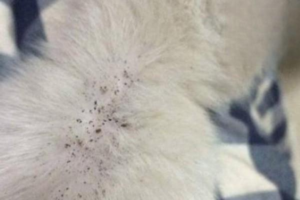
Why Do Cats Get Fleas and Where Do They Come From?
Fleas are blood-feeding parasites that hide in corners and latch onto cats that aren't on regular prevention. They cause relentless itching and can spread disease. Clearing them means treating the cat and disinfecting the home, with prevention as the real solution.

Do Teddy Dogs Carry Bacteria?
Teddy dogs, like all dogs, carry bacteria from dust, puddles, and poor hygiene, showing as skin, ear, or gut infection. Topical care plus a clean, dry, well-groomed routine keeps it controlled.

Bump Near a Dog’s Eye: What to Do
A bump under the eye can be skin disease or a growth, so a vet must identify it before you treat. Growths may need surgery; infected lumps respond to a vet skin spray and ointment, plus clean surroundings.