Search Results
171 results for “Digestive System”

Do Dogs Need to Switch Food Regularly?
Dogs benefit from periodic food changes: nutritional needs shift across puppy, adult, and senior life stages, health issues (joints, skin, teeth) call for targeted formulas, and rotation aids weight control and fights flavor fatigue. Switch gradually with a 7-day transition (75/25 → 50/50 → 25/75 → 100%) and slow down if digestion reacts.

Do Dogs Get Morning Sickness During Pregnancy?
Pregnant dogs can indeed experience morning sickness, a normal response to hormonal changes and the growing litter pressing on the stomach, usually most noticeable around 1–2 weeks into pregnancy. The symptom is generally mild and needs no treatment, but severe or persistent vomiting warrants a trip to the veterinarian to rule out other health problems.

The Dangers of Feeding Bones to Dogs
Feeding bones to dogs can cause intestinal blockages, mouth injuries, nutritional imbalances, and constipation. If you do offer bones, choose large, hard varieties (never small or brittle ones like chicken or fish), boil them plain, and keep the amount and frequency low.
What can you feed a one-month-old kitten?
A one-month-old kitten needs easily digestible food such as goat milk formula, warm-water-softened kibble, and kitten pate. Supplement with boiled, minced chicken, but avoid canned food and seasoned human meals to protect its immature digestion.

Does More Eye Discharge After Changing Dog Food Mean the Food Is Bad?
Extra eye discharge after switching dog food does not automatically mean the food is low quality — it can be a mild adjustment reaction, a food intolerance, or something unrelated like blocked tear ducts or an ear infection. Some foods are high in salt, and if your dog drinks little, this can cause 'inner heat' with more discharge, bad breath, and dry stool. Rule out the food by checking the label, watching overall health, and if discharge is thick, colored, or lasts over a week, see a vet.
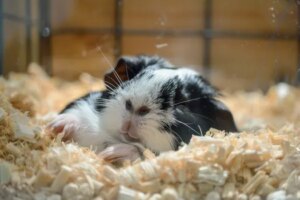
Why Is My Chinchilla Drooling?
Chinchilla drooling is usually a sign of mouth disease—stomatitis, gingivitis, ulcers, or misaligned teeth—and can also bring bad breath, pain, and appetite loss. For mild gum inflammation use a small-pet oral spray and a broad-spectrum antibiotic; for anything severe, or if digestion, stress, or the nervous system is involved, see a vet to find the exact cause.
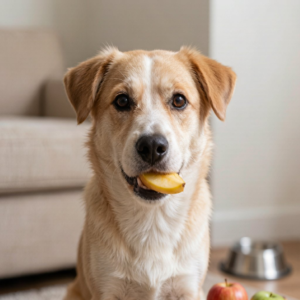
Feeding Fruits and Vegetables to Rabbits: What to Know
Fruits and vegetables add useful nutrients and fiber to a rabbit's diet, but not all are safe, and too much causes diarrhea or obesity. Avoid onion, leek, garlic, and chives, herbs like basil and rosemary, and citrus, grapes and raisins, cherries, and persimmons. Hay should be the staple; treats of produce should be only 10-15% of the daily diet. Introduce new foods slowly, wash them well, remove pits, and clear away any leftovers so they do not spoil and upset the gut.

What to Do If Your Dog Is Too Thin?
A thin dog is most often undernourished, but disease, digestion problems, tumors, or parasites can also cause weight loss that needs veterinary attention. Start with a high-quality, balanced diet suited to the dog's age and activity, add easily digested protein such as cooked chicken, fish, or egg, and feed smaller meals more often to improve absorption. Light daily exercise boosts appetite and metabolism. If good feeding and exercise do not help, or the dog is naturally a slender breed but otherwise healthy, a vet check rules out hidden illness.
Can Cats Eat Red Beans?
Cats are obligate carnivores with short intestines and no salivary enzymes for breaking down carbohydrates, so their ability to digest plant foods like red beans is limited. Red beans do contain some protein and fiber, but far less protein than a cat needs, making them a poor staple. In small amounts, plain cooked red beans are generally safe and the fiber can even aid digestion, but too many beans or starch can cause indigestion and stomach upset. If you offer them, serve only a small portion of plain, fully cooked, unsweetened beans, never raw. The same caution applies to other grains such as corn, rice, millet, and oats, which cats also digest poorly and may trigger allergies in sensitive individuals. Keep grains occasional and always cooked.
Is Dog Regurgitation Normal?
Regurgitation—when a dog brings food back up shortly after eating and re-chews it—is usually a normal part of digestion, especially in dogs that eat too quickly. It helps break food down and improves nutrient absorption. However, frequent regurgitation can also signal indigestion, a diet too greasy or low in fiber, or stress and anxiety. In most cases there is no need to worry, but if regurgitation is accompanied by vomiting, loss of appetite, or happens repeatedly, it may point to a digestive problem that needs a vet's attention. Adjusting feeding habits and food quality is the best prevention.