Search Results
309 results for “Daily Care, Symptoms”

Feline Urethral Obstruction: Causes, Symptoms, Treatment, and Prevention
Urethral obstruction mostly affects male cats aged 1-6. Causes include urinary stones, crystals, inflammation, and muscle spasms; signs are frequent urging, straining, reduced output, and blood-tinged urine. Left untreated it can lead to uremia, kidney failure, and bladder rupture — life-threatening. If obstruction is suspected, take the cat to a vet immediately for catheterization, then diagnose the underlying cause and treat it. Prevention focuses on hydration, diet, and stress reduction.

Can Turtles Catch Colds, and What Are the Symptoms?
Turtles do get colds, usually from big temperature swings—runny nose, bubbles, watery eyes, low appetite, lethargy, and if untreated, pneumonia. Treat by isolation, warm water (30–32°C), and oxytetracycline or amoxicillin by severity; keep temperature stable to prevent.
What are the symptoms of cat depression?
Cat depression shows as low energy, poor appetite, inactivity, mood swings, sleepiness, hiding in dark places, and no interest in the outside. Long term it causes weight loss and worse signs; treat with care, love, and interaction.

Symptoms and Treatment of Arowana Cloudy Eye by Stage
Arowana cloudy eye has three stages — early, middle, and late — each with distinct symptoms and its own best treatment. Early and middle stages respond to water changes, salt, and heat, while the late stage requires dedicated medication.

Rabbit Cold Symptoms and What to Do
Like other animals, rabbits can catch a chill from temperature changes or bacterial infection and rarely recover on their own. Here are the symptoms of a rabbit cold and how to help.
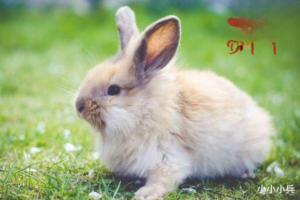
Symptoms and Prevention of Rhinitis in Rabbits
Rabbit rhinitis starts like a cold—sneezing and runny nose—but can progress to appetite loss, head tilt, pneumonia, or chronic breathing trouble if untreated. Early care uses warm herbal drinks and alcohol disinfection; prevention focuses on hygiene, ventilation, and vaccination. This article details the stages and control measures.
How do I care for a two-month-old kitten?
At two months, just weaned; maternal antibodies drop, immunity weak, prone to disease. Care tips: first deworm internally/externally, observe a week, if normal get the FVRCP (cat triple) vaccine. Feed balanced kitten food 3–4 times/day, small amounts to avoid indigestion. Keep environment clean—wash bowls daily, change litter regularly.

Hamster Wet Tail: Symptoms and Home Care
Wet tail is a highly contagious, often fatal hamster disease marked by a wet, soiled tail, watery grayish stools with a foul smell, and a hunched back. See a vet at once; at home, keep the cage dry, offer glucose water, and use probiotics while you get to a clinic.

What Symptoms Appear When a Parrot Is Infected with Trichomoniasis?
Most adult parrots carry trichomonas but usually do not fall ill; however, adults feed chicks by regurgitation, easily passing the disease to them, and infected chicks sicken quickly. Our team introduces the common symptoms and handling of parrot trichomoniasis.

Parrot Pneumonia: Symptoms and Treatment
Parrot pneumonia often follows untreated colds or arises from dirty, pathogen-heavy environments. Signs include lethargy, loss of appetite, breathing difficulty, and shivering. Treatment focuses on warmth (22-25 C), clean housing, supportive care, and antibiotics such as gentamicin for serious cases.