Search Results
309 results for “Daily Care, Symptoms”

What to Do About White Discharge in Your Cat’s Eye
White discharge usually signals an eye infection such as conjunctivitis, keratitis, or blepharitis, so identify the cause early. Discharge at the corner often means conjunctivitis—check for sneezing, runny nose, or fever, which point to a viral infection needing a vet; a white film over the eye needs prompt clinic care. At home, clean gently with saline, apply pet-specific antibacterial drops (neomycin sulfate, chloramphenicol, levofloxacin), boost vitamins A and C, and keep the environment clean. If no improvement in a few days, see a vet.

What Causes Periodontitis in Dogs?
Periodontitis is a common and painful dental disease in dogs, driven by a mix of physical, fungal, bacterial, and metabolic factors. Physical causes include chewing on fish bones, wire, or other sharp objects that injure the mouth, while fungal infections such as Candida or Blastomyces and bacterial overgrowth can trigger necrotizing ulcerative gingivitis. Metabolic problems like diabetes, kidney disease, dehydration, and hypothyroidism also raise the risk. Affected dogs show bad breath, drooling, swollen or receding gums, loose teeth, and sometimes pus. Diagnosis combines an oral exam with dental X-rays, and treatment requires professional cleaning or extraction under anesthesia plus ongoing home dental care.

What to Do When Your Guinea Pig Has Digestive Issues
Guinea pigs have delicate digestive systems, so diet mistakes easily lead to indigestion marked by reduced appetite, weight loss, diarrhea or constipation, bloating, and sometimes vomiting. When symptoms appear, the first step is to adjust the diet: feed a balanced mix, avoid overfeeding hard-to-digest foods like excessive vegetables and fruit, and keep everything fresh. Daily exercise for one to two hours supports gut movement, while a stable, low-stress home environment protects digestion. Adding pet probiotics or prebiotics helps rebalance the gut flora and restore normal function. If symptoms persist, a veterinary visit is essential to rule out gastritis, parasites, or infection. With attentive diet and care, most guinea pigs recover comfortably.
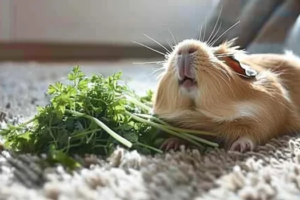
What to Do When Your Hamster Has Eye Inflammation
Hamster eye inflammation is usually conjunctivitis—redness, itching, and tearing, with sticky discharge in the corner of the eye and, in severe cases, poor appetite and low energy. It is treated with antibiotic eye drops containing lysozyme, oxytetracycline, or tylosin, used 2–5 times daily for 5–7 days after wiping away discharge with saline. Keep the cage clean and draft-free, clean the eyes daily, boost nutrition, and fit a cardboard e-collar if your hamster keeps scratching. If there's no improvement after a few days, see a vet.

Dog Panting After a Short Walk? Watch for Heart Trouble
Panting after a brief walk is not always harmless—it can be a dog's heart crying for help. Heat, obesity, and flat-faced breeds pant normally and recover within minutes, but sudden breathlessness at rest, coughing at night, bluish gums, or constant fatigue warrant prompt cardiac screening. Early diagnosis and steady daily care can dramatically slow heart disease.

Early Signs of Cheek Pouch Inflammation in Hamsters
Cheek pouch inflammation in hamsters is usually caused by bacterial infection, poor nutrition, overeating, or a sharp object scratching the pouch, and it can cause appetite loss, bad breath, and lethargy. Left untreated it may become life-threatening. Early signs include reduced appetite, food stuck in the pouch, trouble drinking, and low spirits. Prompt care, gentle massage, diet adjustment, hygiene, and veterinary-guided antibiotics are the main treatments.
Pet CoQ10 Supplements Reviewed: Picking One That Genuinely Supports Heart Health
CoQ10 is a popular supplement for pets with heart conditions, but it supports heart function rather than curing disease. It helps the heart muscle generate energy, mildly slows heart failure, and supports immunity and vitality. Yet the market is full of weak or mislabeled products—industry figures suggest most pet CoQ10 labels either understate or omit the actual content, and some use industrial-grade raw materials. When choosing a supplement, look for verified CoQ10 content (ideally backed by independent testing), natural fermentation sources, and a clean antioxidant formula, matched to your pet's age, breed risk, and symptoms. Used alongside veterinary treatment, a quality CoQ10 can be a valuable part of heart care.

Canine Infectious Hepatitis: Can It Be Treated
Canine infectious hepatitis is an acute, often severe viral disease of dogs caused by canine adenovirus type 1 (CAV-1). It spreads through urine, saliva, and nasal discharge and hits weaned puppies hardest, sometimes with no warning signs. Typical signs include a fever that rises then falls, lethargy, vomiting, diarrhea, and a characteristic cloudy "blue eye" in about a quarter of recovering dogs. While there is no direct cure that eliminates the virus, most dogs recover with prompt supportive care such as fluids, liver protection, and antibiotics to control secondary infection. The good news is that the disease is highly preventable through routine vaccination, with puppy shots given at 8-9 and 10-12 weeks and annual boosters for adults.

What to Do If Your Puppy Overeats
A puppy's digestive system is still immature, so overeating overloads the gut and can cause indigestion, vomiting, or diarrhea. If your puppy has eaten too much, stop feeding at once and let the food settle before offering small amounts again. Gentle exercise, like a short walk, aids digestion, and a light belly massage helps move things along. Pet-specific probiotics can rebalance the gut. Watch for vomiting, diarrhea, or abdominal pain—if these appear, see a veterinarian. Going forward, feed little and often, measure portions, choose quality food, skip human scraps, and keep mealtimes calm to prevent overeating in the first place.

How to Treat Cat Chin Acne
Cat 'black chin' is simply feline folliculitis - black specks like coal dust at the hair roots, sometimes red and painful, worsening to pustules, hair loss and itch. Causes: too-oily food, plastic bowls and chewed plastic toys that harbor bacteria, overactive hormones (intact males are prone, especially on tail and chin), and poor grooming or dusty homes that let oil build. Most cases are cosmetic and need no treatment, but switch plastic bowls first; mild cases get a topical antibiotic after warm compresses, and weekly medicated washes. It can strike any cat, any age or sex.