Search Results
244 results for “Daily Care, Medication”

Essential Home Medicines for Cat Owners
Cat owners often face emergencies like vomiting, eye inflammation, diarrhea, or minor wounds. Keeping some first-aid medicines at home avoids frequent clinic trips and stress for the cat.

Why Is My Dog Suddenly Vomiting?
There are many reasons a dog may vomit. The color of the vomit and what it contains each point to a different underlying condition. Below we have organized several vomit colors, ranked from mild to severe, to help you quickly tell what is going on with your dog. But whenever vomiting occurs, the first step is to withhold food and get your dog to the veterinarian as soon as possible during the golden window for treatment.

Dry Eye (Keratoconjunctivitis Sicca) in Dogs: Symptoms and Treatment
KCS, or dry eye, is an eye disease in dogs caused by a lack of the watery tear layer, an inflammation of the cornea and conjunctiva from dryness. This article explains the symptoms of dry eye and how it is diagnosed and treated.

How to Prevent Parasites in Dogs
A parasite is an organism that lives in another organism, called the host. The dog is a host for parasites. Often, the parasite needs the dog's body to survive and can harm the dog.

Can Dogs Get Diabetes?
Diabetes is one of the most common medical conditions in humans. Surprisingly, it is also a common disease in dogs. The main symptoms of diabetes in both people and dogs are increased thirst and water intake. This article explains the types of diabetes in dogs and the importance of early diagnosis.

Can Cats and Dogs Take Propranolol?
Propranolol (Inderal) is a beta-blocker that lowers heart rate, cardiac output, and blood pressure. In pets it treats arrhythmias, supraventricular tachycardia, hypertension, and hypertrophic cardiomyopathy, and in cats hyperthyroidism. Vet-prescribed only; use caution with heart failure and drug interactions. Always consult your vet for dosing.
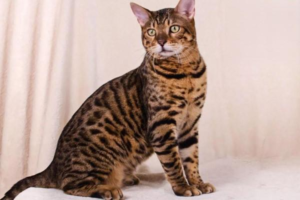
Treatment of Feline Hyperthyroidism
Treating feline hyperthyroidism may involve one or more of several approaches, starting with medication. This article covers methimazole, surgical thyroidectomy, radioactive iodine (I-131) therapy, and supportive follow-up care.

Diagnosis and Treatment of Feline Hypertrophic Cardiomyopathy
Hypertrophic cardiomyopathy (HCM) is a form of heart muscle disease in cats. This article lists conditions that mimic HCM, the diagnostic tests used to confirm it, including echocardiography, and the medical and home-care approaches to treatment.

What to Do When Your Dog Is Limping
Lameness — reduced weight-bearing or movement in a limb — can range from mild to severe, affect one or more legs, and come and go. Causes span trauma to chronic arthritis. Here is how the vet evaluates and treats it.

Desensitization Training for Cats with Phobias
Desensitization is a good way to treat phobias in cats. The key is to identify the fear source, control the trigger at low intensity, and slowly increase exposure in a random, stepwise manner—always ending each session on a positive note. Generalized fear and medication are also covered.