Search Results
244 results for “Daily Care, Medication”
My hamster had a tumor that was very large; after medication there was no improvement, then it broke open on its own, keeps scratching, and bleeds. What should I do, what medicine and dressing to use?
For an abdominal tumor, first determine type at an exotic-pet vet; benign ones can be cleaned and surgically removed, malignant need biopsy and surgery plus radiotherapy. If no vet access, keep the wound clean and dry with iodine and antibiotic ointment like erythromycin.
What medication treats a dog’s joint effusion?
Joint effusion needs vet drainage by puncture, then anti-inflammatory and hormone medication per the vet, plus warm compresses at home. Since arthritis usually causes it, give chondroitin or glucosamine supplements for maintenance.
My dog started having seizures yesterday morning, many times, medication doesn’t help, constant drooling and circling, and not using the bathroom.
A dog's epileptic seizures usually manifest as convulsions, foaming at the mouth, involuntary movement, and loss of consciousness. Canine epilepsy is generally incurable and the exact cause is hard to find; its causes include brain infection, brain injury, brain tumors, metabolic problems, poisoning, and structural brain abnormalities. In addition, certain drugs, chemicals, or environmental factors may also trigger seizures in dogs. To confirm this condition, the owner should follow the veterinarian's advice and give appropriate help. Once epilepsy is diagnosed, the dog needs lifelong medication, re-examinations, and anti-epileptic treatment - anti-epileptic drugs include phenobarbital, potassium bromide, and diazepam. Medication controls the seizures to avoid major disruption to the dog's and owner's daily life, but in many cases the seizures return once treatment stops. Besides sticking to medication under the vet's guidance, seek timely care in emergencies and have follow-up exams to adjust the medication.
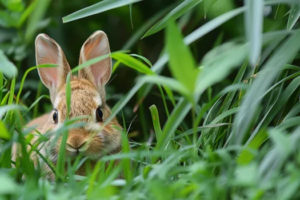
How to Use Medication for Rabbit Health Care
A sound rabbit health program relies on timely medication: anticoccidials in feed for kits, a structured vaccination schedule against VHD, pasteurellosis, Clostridia and Bordetella, routine ivermectin for mange, and antibiotics in hot humid seasons. Consistent prevention is far cheaper than treating outbreaks.
My hamster has been kept over a year; last week its eye was slightly inflamed. I read online to use saline, but none was available locally, so I bought levofloxacin eye drops and used them three times daily. It worsened, and now the eyeball is shrunken, probably blind, the eye stays open and protruding. Last night the saline arrived and I applied some, then it seemed to bleed. I am a student and just want to know how long it can live; there is no vet nearby and I can only use saline and eye drops.
From your description, the hamster's eye may be conjunctivitis with secondary tissue adhesion, a complication after eye inflammation, worsened by poor care and wrong medicine. Tight adhesion may stop the pupil from dilating and contracting, and without professional eye exam and surgery it may die after a while. Hamsters are tiny with low self-healing. Use pet-specific cleaner, not human eye drops; if no improvement, see a vet.
How to Care for a Dog with Pancreatitis
Pancreatitis is a high-risk digestive emergency, especially common in overweight middle-aged and senior dogs, and it often returns even after recovery — so proper home care matters as much as treatment. During a flare-up, withhold food and water immediately and see a vet; never self-medicate. After discharge, feed a prescription diet under 10% fat (regular food is 15–20%+), split into 4–6 small meals, and strictly avoid all high-fat foods such as fatty meat, organ meats, fried food, and rich treats. Keep your dog warm to protect the abdomen, allow only gentle short walks, follow the medication plan exactly, and return for regular pancreatic checks. Controlling weight is the best prevention — obese dogs are over three times more likely to develop pancreatitis.
My turtle has white-eye disease and I’m going away — how do I care for it?
White-eye disease needs isolation and dry-treatment with daily short soaks (twice a day for adults). Apply chloramphenicol, ofloxacin, or erythromycin eye medication 1–3 times daily. If you leave, have someone check on the turtle to avoid fatal dehydration.

What to Do When Your Dog Is Scared of the Vet
Dogs often fear the vet because they dislike being restrained, are bothered by disinfectant smells, or associate the clinic with past pain. Ease their fear with post-visit treats, at-home desensitization, and staying by their side throughout the visit.

Common Cat Ear Diseases and Care
A cat's hearing is extremely acute; its two ears work like radar, distinguishing similar sounds up to about 20 meters away. The ears are vital for hunting and daily activity.

How to Care for a Senior Dog
Senior dogs need grooming help, proactive pain management for arthritis, vet-prescribed NSAIDs or other pain meds, and quality supplements (look for the NASC seal). Vet visits every 6 months after age 10 catch problems early. You and your vet are a team for a pain-free life.