Search Results
495 results for “Daily Care, Cat Health”
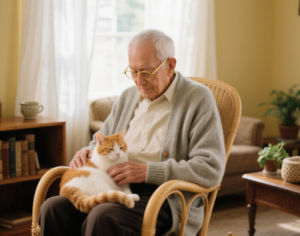
Why Are Cats Raised by Elderly Owners So Calm and Obedient?
Cats kept by elderly owners often seem gentler and more obedient than the lively pets raised by younger people, and the reason is rooted in pet behavior science. Cats love calm, predictable routines, and an older person's slow, regular daily rhythm gives them a sense of safety that lowers their guard. Seniors also provide the 'effective companionship' cats value most—short, low-intensity interactions like petting and soft talk scattered through the day—rather than infrequent marathon play sessions. On top of that, elderly owners tend to be gentle yet consistent: they neither shout nor overindulge, setting clear rules while offering unconditional acceptance. This calm, secure environment lets a cat relax and show its sweetest side.
How to Care for a Dog with Pancreatitis
Pancreatitis is a high-risk digestive emergency, especially common in overweight middle-aged and senior dogs, and it often returns even after recovery — so proper home care matters as much as treatment. During a flare-up, withhold food and water immediately and see a vet; never self-medicate. After discharge, feed a prescription diet under 10% fat (regular food is 15–20%+), split into 4–6 small meals, and strictly avoid all high-fat foods such as fatty meat, organ meats, fried food, and rich treats. Keep your dog warm to protect the abdomen, allow only gentle short walks, follow the medication plan exactly, and return for regular pancreatic checks. Controlling weight is the best prevention — obese dogs are over three times more likely to develop pancreatitis.

Care Tips for Keeping a Border Collie
The border collie is the smartest dog breed, bright enough to outthink its owner, so patience and skill matter in training. As a large, high-energy dog it needs daily exercise, such as frisbee, to burn off energy and avoid destructive behavior. Groom its dense coat twice a day in shedding seasons, train with rewards not force, watch for hereditary issues like eye and hip disease with regular checks, feed by life stage, and deworm and vaccinate while avoiding Collie-sensitive drugs.
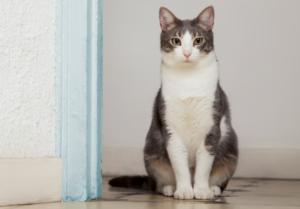
Pet CoQ10 Supplements Reviewed: Picking One That Genuinely Supports Heart Health
CoQ10 is a popular supplement for pets with heart conditions, but it supports heart function rather than curing disease. It helps the heart muscle generate energy, mildly slows heart failure, and supports immunity and vitality. Yet the market is full of weak or mislabeled products—industry figures suggest most pet CoQ10 labels either understate or omit the actual content, and some use industrial-grade raw materials. When choosing a supplement, look for verified CoQ10 content (ideally backed by independent testing), natural fermentation sources, and a clean antioxidant formula, matched to your pet's age, breed risk, and symptoms. Used alongside veterinary treatment, a quality CoQ10 can be a valuable part of heart care.

Key Points for Caring for a Cat in Summer
Summer heat raises the risk of parasites and heatstroke, so cat care in the warm months means three jobs: cleanliness, cooling, and diet. Run the AC without sharp temperature swings and don't shave the coat—thin it slightly instead, since bare skin burns and the cat sheds heat through paw pads. Feed little and often with light food, refresh water and food frequently so nothing spoils, and never offer cold food that upsets the stomach. Clean the nest, litter box, and belongings regularly and keep up flea, tick, and worm control. These habits keep a cat healthy through summer.
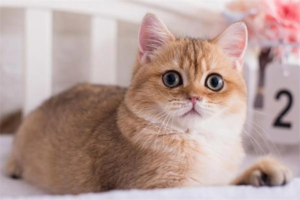
Does a Folded Tail Affect a Cat Much?
A folded (kinked) tail doesn't stop a cat from living normally, but it signals a genetic weakness—common in Siamese cats—that can mean a weaker constitution, poorer balance, and a shorter life. With careful care these cats live well and stay healthy, but because the trait is inherited and can pass on a frailer build, breeding folded-tail cats is generally discouraged. The tail is a balance organ, so affected cats are less steady jumpers. Tell a folded tail apart from a short tail: Japanese, American, and British Shorthairs are short-tailed by breed, not defect, and can breed normally. Support a folded-tail cat with good nutrition and warmth.

Daily Care Tips for Exotic Shorthair Cats
Shedding comes from season change, poor nutrition (often human food lacking protein), or illness. Manage it with regular brushing, which also massages and aids circulation, and proper baths (every 5-7 days in summer, 7-10 in winter); over-bathing harms skin. A grooming glove builds bond and cleans fur.
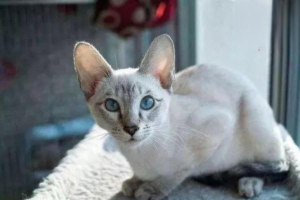
How to Boost Your Cat’s Immunity
Strong immunity rests on diet and exercise. Feed quality protein, healthy fats, minerals, and taurine, with balanced freeze-dried food and enough water. Add play with boxes, wand toys, and cat tunnels, keeping intensity gradual to protect heart and joints. Consistency is the key to a long, healthy life.

Health Check and Prep Before Bringing a New Cat Home
Before a new cat comes home, a health check is the smart first step, plus a few daily supplies once it arrives. A pre-purchase exam, blood and stool tests, and X-rays map out the kitten's condition. Then watch for the big early risks: panleukopenia, cat flu, ear mites, and gastroenteritis. Avoid baths or shaving unless a skin issue demands it, since the stress can trigger behavior problems and illness. Knowing the warning signs helps you act fast.
Cat Bad Breath, Mouth Ulcers, and Stomatitis
Stomatitis often links to dry food and low water intake. For mild cases, switch to soft food and more water, clean the mouth daily with pet rinse or spray, and watch for worsening. Severe or unexplained cases need a vet, possibly tooth extraction, plus B-complex, anti-inflammatory, spray, and rinse. Rule out virus or foreign objects.