Search Results
161 results for “Daily Care, Cat Breeds”
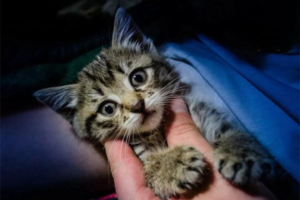
An Introduction to the Chinese Li Hua Cat
The Chinese Li Hua is a native landrace with a long history, strong constitution and natural hunting skill. Loyal and independent, it is easy to keep but wild at heart, so think carefully before bringing one home.

How Likely Is a Cat to Develop HCM?
Feline hypertrophic cardiomyopathy is common and can hit any age or breed, often with no early signs until a sudden, life-threatening episode. Learn the risk, the symptoms, and how it is treated.

Gastroenteritis in Dogs and Cats: Types, Symptoms & Medication
Gastroenteritis in dogs and cats spans gastritis (acute/chronic) and enteritis (viral, bacterial, parasitic). This guide covers causes, symptoms, and the medication approach—anti-inflammatories, anti-vomiting, anti-diarrhea, dewormers, probiotics—plus prevention.

Common Food and Drug Poisoning in Cats and Dogs: Symptoms and Treatment
Poisoning in pets is uncommon but dangerous. It falls into food poisoning (bacterial, fungal, toxic plants, chemicals, and human foods like onions, chocolate, macadamia) and drug poisoning (aspirin, ibuprofen, acetaminophen, vitamin D, ivermectin). This article covers the symptoms and what to do.

What Causes Respiratory Disease in Cats?
Feline respiratory disease comes from infection (virus, bacteria, fungus), inflammation (asthma, COPD), congenital defects (Persian brachycephalic), tumors, cardiovascular issues, inhaled injury (smoke), and parasites. Find the cause to treat it.

How to Care for Your Dog’s Eyes
Clean discharge daily—soft paste suggests inner heat, hard crusts suggest inflammation; chamomile washes and pet eye drops help. Watch teary breeds, treat distemper-related redness, and fix ingrown lashes surgically.
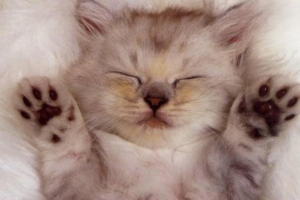
Treating Cat Stomatitis: What You Should Know
Feline stomatitis causes bad breath and hurts eating, even leading to kidney or liver failure—take it seriously. Here is how to treat and prevent it.
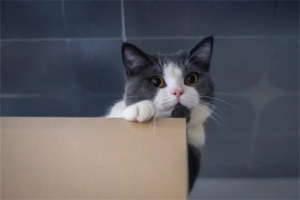
How to Tame an Aggressive Cat
Taming an aggressive cat takes method and patience. Understand its behavior, provide an enriching environment, use positive rewards rather than harsh punishment, and interrupt bad behavior calmly. Some aloof cats warm up over time with consistent love and care.

How to Discipline an Overly Playful Cat
An overly playful cat usually has excess energy or wants attention. Cats need daily activity; without it they act out to burn energy. A long-ignored cat may misbehave to draw notice. Beyond play and toys, punish bad behavior on the spot with fair, consistent correction, and consider spaying or neutering a hot-tempered cat, which usually calms it.

Why Does Your Cat Keep Shaking Its Ears?
Frequent ear shaking in cats is usually ear mites, ear inflammation, trapped water, or skin disease around the ear. Check the canal for dark discharge or redness; mites and infections need vet care and medication, while water needs gentle drying and regular cleaning.