Search Results
161 results for “Daily Care, Cat Breeds”
Why Is Your Dog Scooting (Dragging Its Bottom) on the Floor?
A dog dragging its bottom usually means anal itching or pain — most often impacted or infected anal glands, intestinal parasites (tapeworms), perianal skin infection, or allergies. Signs like frequent licking, straining to defecate, or a red swollen anus point to anal-gland disease (express and apply an antibiotic ointment). White rice-like segments mean tapeworms (use a praziquantel dewormer). Rule out health causes before blaming boredom or anxiety.
What to Know When Your Dog Is Pregnant
A common myth is that a pregnant dog needs lots of extra food — but early on, intake shouldn't rise much, or obesity makes delivery harder. Avoid baths in the first 20 days and last 10 days; in between, a quick warm rinse and thorough dry is fine. Keep the nipples clean and dry, and never give any medication (including dewormer) without a vet's sign-off.

Is It Normal for a Dog to Have a Lot of Eye Discharge?
A little eye discharge is normal in dogs—especially flat-faced and narrow-duct breeds like Bichons and Poodles, and in puppies—but a sudden increase can signal 'heat,' conjunctivitis, keratitis, blocked tear ducts, or allergies. Clean gently, switch to a light diet with more water, and see a vet if it persists.

What Are the Common Eye Diseases in Dogs?
Dogs can develop several common eye problems, including conjunctivitis, keratitis, entropion, and cataracts, each with distinct signs such as redness, tearing, cloudiness, or a whitish discoloration. Some breeds are more prone to certain conditions, but daily eye checks and prompt cleaning of discharge go a long way toward prevention.
Honest Talk: Why a Labrador Retriever May Not Be the Right Dog for You
Labradors are among the most popular dogs, but they are highly excitable — they bolt, jump on people, and mature late, needing patient training over a longer time. Because they aren't aggressive and trust strangers, they can be led away if not watched. Adult Labs are true medium-energy sporting dogs needing at least 1.5 hours of hard exercise daily, so they don't suit owners short on walk time. They're also prone to hip and elbow dysplasia, inherited cataracts, and obesity — be prepared.
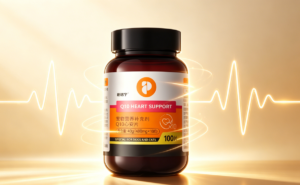
CoQ10 for Pets with Early Heart Enlargement
As cats and dogs age, the heart is often among the first systems to falter, especially in overweight pets and certain breeds with inherited risk. CoQ10, a nutrient that supports heart-muscle energy and protects cells from oxidative stress, is a standard supplement alongside veterinary treatment for heart disease. This guide covers the early signs owners should watch for, why CoQ10 helps, what to look for on a supplement label—real content, independent testing, and proven safety—and how to support heart health day to day. It is nutritional support, not a replacement for prescribed medication.

How Long Do Rabbits Live?
A rabbit's lifespan depends on breed, genetics, diet, environment, daily care, and disease prevention. To extend it, give your rabbit a good home, proper diet and care, and timely health attention. With a clean environment, scientific feeding, and routine care plus prevention, you can greatly lengthen a rabbit's life and share more happy years together.
CoQ10 for Pets: Why Adequate, Well-Absorbed Dosage Matters
Many owners dismiss pet CoQ10 as a gimmick, and with reason: an under-regulated market let weak products ship before they were ready, so finding a real, safe, high-potency supplement was hard. The science is sound, though. CoQ10 lives in the mitochondria, drives cellular energy, and neutralizes free radicals that damage the heart. Pets over about 5–7 years, obese animals, high-risk breeds, and those already diagnosed lose CoQ10 reserves fast, and diet alone barely replaces it—hence panting after a short walk, night coughs, or low energy. The key is adequate, well-absorbed dosage; micro-dosing is only comfort. This article explains who needs CoQ10, what “real” formulation looks like (transparent content, third-party testing, yeast-derived sourcing, combined heart–lung nutrients), and safe daily use.
Early Warning Signs of Heart Disease in Dogs
Heart disease isn’t only an old-dog problem—clinics see four- and five-year-olds, even two-year-olds, with valve disease or myocardial hypertrophy, especially in small breeds like Toy Poodles and Pomeranians. Early on there are almost no symptoms; by the time coughing, fainting, or a purple tongue appears, the disease is usually advanced. Under the ACVIM staging system, Stage B1 is the “golden window” most owners miss: subtle structural changes with no heart failure yet, showing only quiet behavioral shifts like less activity or a changed sleeping posture. Catching it then—often without medication—can keep a dog stable for life. This article outlines the staging, the early behavioral signs, and the daily care that protects a vulnerable heart.
CoQ10 for Dogs: What to Look for in a Quality Supplement
As pets age, heart conditions such as mitral valve degeneration, myocardial hypertrophy, and dilated cardiomyopathy are a growing concern for dog owners. Once a dog shows frequent coughing, labored breathing, or bluish mucous membranes, the damage is often advanced—so veterinarians commonly recommend CoQ10 as a supportive supplement alongside medication. But supplement quality varies widely, and some products advertise “high potency” while containing almost none. This guide explains how CoQ10 supports the canine heart, the three criteria that separate a real product from a worthless one (transparent content, third-party testing, clinical evidence), and what a sensible daily regimen looks like—always as an adjunct to, never a replacement for, prescribed heart medication.