Search Results
33 results for “Common Illnesses”
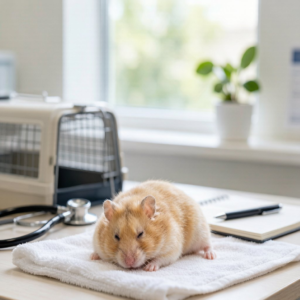
Common Illnesses in Golden Hamsters
Golden hamsters commonly face skin allergies, colds, diarrhea, constipation, and eye trouble such as conjunctivitis, mostly linked to diet and environment. To lower the risk, manage food and housing carefully, keep nutrition complete and safe, and maintain a clean, dry habitat.
Common Everyday Cat Illnesses (Part 2)
Five more common cat conditions: (1) Panleukopenia (feline distemper) — a fierce, contagious viral disease hitting gut and airways; fever, bloody diarrhea, lethargy, dehydration; high death rate in under-8-week kittens, so vaccinate and rush to a vet at the first sign (lice, mites, fleas can spread it). (2) Cancer — rarer than in dogs but cats hide pain; watch for lumps, non-healing skin infections, weight loss, vomiting, odd urination. (3) Kidney disease — common in seniors; low appetite, weight drop, vomiting, lethargy; needs dialysis or transplant when severe. (4) Fractures — from falls; sudden limping or hiding. (5) Poisoning — from human food or toxic plants; repeated vomiting/diarrhea, blood in stool/urine; vets give fluids and anti-emetics. Don't rely on self-healing—use a trusted clinic.
Common Everyday Cat Illnesses
Five common cat issues: (1) Upper respiratory infection—cough, sneeze, runny nose (yellow discharge is a red flag), from cold or poor nutrition; prevent with warmth and good food. (2) Fleas—scratching and black specks after a bath; treat with a vet-recommended flea product. (3) Heartworm—intermittent vomiting, cough, wheezing, lethargy; prevent with monthly prevention and by controlling mosquitoes (the intermediate host) and clean water. (4) Periodontal disease—bad breath, drooling, only soft food; prevent with regular brushing/cleaning. (5) Obesity—oval loaf shape, jiggling belly, hard-to-feel ribs; leads to diabetes, lower-urinary disease, arthritis, hepatic lipidosis; feed measured meals and exercise.
6 Common Cat Diseases and How to Prevent Them
Cats hide pain well and can't tell you what's wrong, so owners need a basic grasp of common feline illnesses. Beyond regular checkups and vaccines, know the warning signs of the six frequent problems: urinary tract disease, respiratory infection, periodontal disease, parasites, ringworm, and ear mites. This guide summarizes each condition's symptoms and the everyday prevention that matters most—more water, less stress, dental care, deworming, and a clean, dry environment.
Why Is Your Dog’s Gum Pale? Don’t Ignore It—It Could Signal These Illnesses
A healthy dog's gums are pink and refill quickly after a light press. Pale or whitish gums often mean the body isn't getting enough oxygen—usually because of anemia or an underlying chronic disease. The causes range from nutritional and blood-loss anemia to kidney or liver problems and infections. Because pale gums can point to something serious, they deserve a prompt check rather than guessing at home.
Causes and Prevention of Enteritis in Pet Turtles
Enteritis is one of the most common illnesses in pet turtles, and it usually starts with two problems: poor feeding habits such as overfeeding or spoiled food, and infection by bacteria, viruses, fungi, or parasites. The good news is that with the right treatment—stopping diarrhea, then restoring gut function, then refeeding—most turtles recover. Even better, a few steady husbandry habits around water, tank cleaning, and feeding can prevent most cases before they begin. This guide covers both treatment and prevention.

Why Is My Dog Dry Heaving?
Dogs dry-heave for many reasons, from a foreign object or irritation in the throat to parasites, indigestion, too much exercise, or illnesses like kennel cough and distemper. If a stuck object or irritation is the cause, removing it usually stops the heaving at once. When dry heaving comes with other signs such as fever, coughing, lethargy, or loss of appetite, see a veterinarian promptly to find and treat the underlying cause. Regular deworming and vaccination are the best long-term protection.

How to Relieve Hiccups in Cats
Cat hiccups are usually harmless and happen when the diaphragm spasms, often from eating too fast or too much, drinking too little, swallowing hairballs, or an underlying illness. An occasional hiccup that passes quickly is nothing to worry about. If your cat hiccups frequently, keeps hiccupping for more than a day, or shows other signs such as vomiting, drooling, or low energy, see a veterinarian. You can reduce hiccups by slowing your cat's eating, keeping fresh water available, and limiting how much fur it swallows.
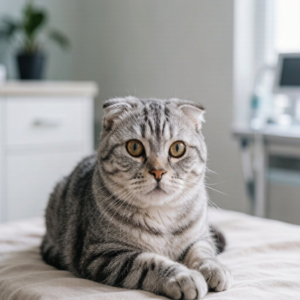
Scottish Fold Cats: Pros and Cons to Consider
Scottish Fold cats win fans with their round eyes, plush cheeks, and famously folded ears, but like every breed they come with both strengths and weaknesses. On the plus side they are loyal, gentle, easy to get along with, quiet-voiced, and quick to learn. The trade-offs are real, though: they are costly, carry a high risk of inherited conditions such as abnormal cartilage growth and narrow airways, have naturally weaker immune systems, and are prone to delicate digestion. Before bringing one home, take an honest look at whether you can meet the extra time, expense, and lifelong commitment their care demands.
Why Cats Develop Uremia (and How to Prevent It)
Uremia occurs when kidney damage stops a cat from clearing waste and toxins, which then build up and harm the body. Causes include age-related decline, unbalanced nutrition, and low water intake, while other illnesses can also damage the kidneys. Watch for changes in urination frequency and volume, dark or cloudy urine, and appetite loss, weight drop, vomiting, or dehydration. Prevention centers on high-quality food, plenty of fresh water, a clean environment, and regular checkups and vaccinations; treatment involves medication, fluid therapy, and nutritional support.