Search Results
278 results for “Coat brushing”
How to make a kitten’s coat thicker?
Thin coat may signal poor nutrition and lack of vitamins or minerals. Feed egg yolk, fish oil, vitamins, and salmon to reduce shedding and boost growth, plus skin immunity. Brush often for metabolism. Avoid human shampoo; deworm regularly to prevent abnormal shedding.

Why Isn’t My Ragdoll Cat Getting Its Full Fluffy Coat?
Ragdolls usually start filling out their coat between 8 months and 1 year; if it stays thin well past that, genes, diet, or stress are likely at play. Feed a quality food with 35%+ protein from animal sources, add 2–3 weekly toppers (boiled chicken, salmon, egg yolk) and a monthly multivitamin, keep up parasite control, and give safe sun time to support growth.
Cat ‘Garlic-Clove’ Coat vs. Dirty Fur: How to Tell Them Apart
A 'garlic-clove coat' is a cat-lover's term for fur that parts into neat, clove-like segments — a sign of dense, healthy undercoat on a slightly plump cat, borrowed from the fur industry's 'garlic-clove fur.' It feels smooth and springs apart with a light rub, usually along the neck, back, and sides. Genuinely dirty or oily fur, by contrast, clumps in greasy, sticky strands near the paws, belly, or tail tip. A garlic-clove coat signals good nutrition (but possibly excess weight), while real dirt needs a bath. Keep the coat lush with high-protein food, B vitamins, fish oil, and regular brushing.

Grooming and Coat Care for Your Cat
Shedding is normal—fur renews daily and surges with the seasons (long coat out, short coat in for summer; kept for winter). But shedding also rises from artificial temperature swings, poor diet (low protein/vitamins), skin damage (parasites, bad shampoo), hormonal imbalance after spay/stress, or old age. Improve coat quality with a clean, suitable environment, sunlight in short doses, and enough protein plus meat toppers. Groom by brushing out loose fur, massaging the skin, and a warm damp-towel wipe once a week to cut random shedding.
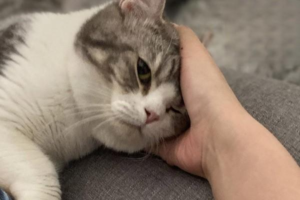
The Complete Guide to Brushing Your Cat
Brushing is essential: it prevents hairballs by removing loose fur, keeps the home cleaner, lets you spot skin problems or parasites early, and strengthens your bond. Pick longer teeth for long-haired cats (rake comb, long-pin slicker) and short, rounded tips for short-haired cats. The seven common comb types each have a job — de-matting, de-shedding, fleas. Brush gently with the coat, about 15 minutes per session, and make it a calm, rewarding experience so your cat learns to enjoy it.

How to Give Your Cat a Glossy Coat
A dull, rough coat usually points to diet, poor care, environment or health. Feed balanced nutrition and add supplements such as lecithin, fish oil and vitamins to lift coat quality. Brush often to clear dead skin and boost circulation, bathe gently as needed, and keep fresh water available. Avoid harsh sun or dry air, and schedule regular checks so skin infection, parasites or other illness are not the hidden cause.
How do I groom and brush my dog’s coat?
Choose a comb by coat type and length, brush from head to tail covering chest, belly, and legs, and work mats out gently by hand first. Short coats need about weekly brushing; long coats more often.

How to Care for Your Dog’s Coat
A glossy coat comes from regular brushing, sensible sun, restrained bathing, parasite control, and good food. Build these habits and your dog's fur stays smooth, clean, and healthy.

Why Is a Pomeranian Hard to Care For?
Pomeranians are prone to eye trouble, skin problems, and joint disease, need frequent coat brushing or they mat and shed, are smart but independent so they demand training, and cling to people so they risk separation anxiety when left alone. Caring for one means regular brushing, early training, portion control to avoid obesity, daily activity, routine vet checks with vaccines and deworming, and hygiene for eyes, ears, and teeth.

What Basic Care Does a Dog Need
Basic dog care covers coat brushing, bathing, dental care, eye and ear care, and nail trimming. These are the core tasks of a daily dog-care routine that keep your pet healthy.