Search Results
335 results for “Circulation”
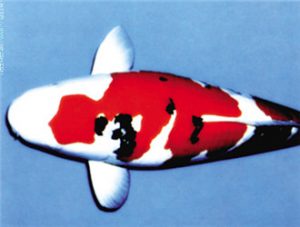
Taisho Sanshoku
Taisho Sanshoku, commonly called Sanke, is one of the two representative koi varieties alongside Kohaku. Bred in Japan during the Taisho era (around 1915), it is a red-white-black tricolor koi whose appeal lies in the placement and quality of its black sumi markings over a pure white-and-red body. Its care is the same as for any koi.
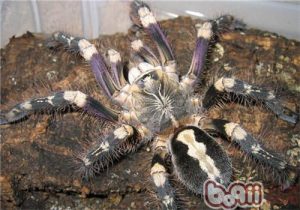
Ivory Ornamental Tarantula
The ivory ornamental tarantula (Poecilotheria subfusca) is a rare and prized tarantula distinguished by radiant white stripes on its back and, in adults, a unique black-and-white pattern on the abdomen. Listed as threatened by the IUCN, it is fast, defensive, and best suited to experienced keepers.

Home’s Hinge-back Tortoise
The Home's Hinge-back Tortoise (Kinixys homeana) is a shy, high-difficulty African tortoise known for its hinged rear carapace and a 90-degree rear shell drop. It prefers warm, humid conditions with ample shade and a varied omnivorous diet, but is prone to stress-induced sudden death, so it is not recommended for beginners.
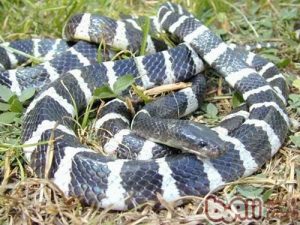
Beaked Sea Snake
The Beaked Sea Snake is one of the world's most venomous snakes, living in tropical coastal waters of Australia and parts of Asia. Reaching 1.5–2 m with a cylindrical body and dark gray back banded in black, its neurotoxic venom can kill within minutes—yet it is valued in traditional medicine.

Takydromus wolteri
The mountain grass lizard (Takydromus wolteri) is a grass lizard very widely distributed across northern China. A small, slender, burrowing lizard, it is kept by both researchers and hobbyists and does well on a sand substrate with 12-14 hours of daylight.

Canine and Feline Metastatic Lung Tumor
Metastatic lung tumors are cancers that have spread to the lungs from a primary tumor elsewhere, such as mammary, bone, or oral melanoma. Signs resemble primary lung disease but cough is less common, and the outlook is generally poor.

Sepsis in Dogs and Cats
Sepsis is a whole-body infection that arises when bacteria and their toxins spread from a local source such as a wound, burn, or urinary infection. It causes high fever, collapse, and organ damage, and is life-threatening without prompt care.

Shock in Dogs and Cats
Shock is acute circulatory failure that leaves vital organs starved of oxygen. It can follow severe disease, trauma, or poisoning, and shows as pale gums, weakness, cold extremities, and collapse. Treating the underlying cause is the foundation of recovery.

Frostbite in Dogs and Cats
Frostbite is tissue injury from prolonged cold, most often on the tail, ears, paws, and penis. It causes redness, then bluish swelling, and in severe cases skin or even bone death. Rewarming and preventing infection are the main goals.

Toad Poisoning in Dogs and Cats
Toad poisoning occurs when dogs or cats bite toads or lick toad eggs, skin secretions, or venom on wounds. Signs include heavy drooling, vomiting, irregular heartbeat, and seizures. Immediate flushing of the mouth and urgent veterinary treatment are critical.