Search Results
335 results for “Circulation”
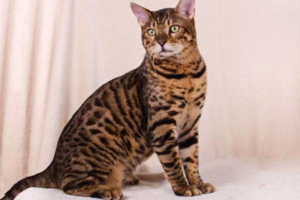
Why Your Cat Sheds So Much in Spring
Heavy spring shedding is usually normal as the winter coat drops, but loss that happens off-season can signal poor nutrition, a hormonal imbalance, or parasites and fungal infection. Daily brushing with a little massage is the best remedy, because healthy skin is what keeps shedding under control.

Cooling Ingredients for Dogs with Summer Acne and Bad Breath
Hot weather can leave a dog with bad breath, rashes, or pimples, signs of internal "heat." Cooling foods like luffa, mung bean, barley, and kelp help clear it, though cold-natured ingredients can loosen stools or chill the body, so serve them with the regular diet and check with a vet if unsure.

How to Prevent Skin Disease in Dogs
With hot, damp weather come fungal and mite skin problems, especially in long-coated breeds like Golden Retrievers and Alaskans, and these conditions spread and relapse easily. Keep the bedding dry and clean, lift the bed off the floor, and brush the coat daily to stop trouble before it starts.

Cat Chin Acne (Feline Folliculitis): Symptoms and Treatment
The "black chin" is feline folliculitis — overactive sebaceous glands clogging the pores, essentially the same as human acne. Most cases are mild and clear up with saline wipes, a diet lower in oil, and swapping plastic bowls for ceramic or stainless steel; neutering also helps by steadying hormone levels.

Symptoms of Leptospirosis in Pets
Leptospirosis is a zoonotic infection of dogs and cats caused by pathogenic Leptospira, often silent but marked by fever, jaundice, anemia, edema, hemoglobinuria, bleeding, and in severe cases kidney and liver failure. It spreads through urine, contaminated water, and bites, peaks in warm wet seasons, and is diagnosed by signs plus kidney and liver damage. Prevention is vaccination and rodent control; treatment is antibiotics plus supportive care, avoiding streptomycin when kidneys are involved.

How to Prevent Sore Hocks (Pododermatitis) in Pet Rabbits
Sore hocks (pododermatritis) in rabbits come from two main causes — mite infection and thin wire cage floors — both of which cut foot circulation, injure the sole, and let Staphylococcus in (heavier rabbits suffer most). Prevention means clearing mites with ivermectin on a set schedule, using a smooth bamboo base board, boosting nutrition, and keeping the hutch dry and ventilated.

How to Treat a Rabbit’s Wounds
Rabbits easily pick up minor scrapes and cuts, and any wound should be cleaned and disinfected promptly to prevent infection. For deep or large wounds, proper bandaging with sterile supplies is needed, while severe trauma requires veterinary care. Keep an E-collar on your rabbit until the wound has fully healed to stop licking.

How to Prevent Rabbit Gastroenteritis
Rabbit gastroenteritis can kill within hours to days, especially in kits, so prevention beats treatment. Feed clean, regular, balanced meals; avoid spoiled or frozen food and over-rich concentrates; treat bloat early with vinegar or herbal tinctures; and keep the hutch dry and the rabbit moving to avoid constipation.

How Much Water Should a Dog Drink?
Water intake matters: too much or too little both signal trouble. A healthy dog drinks about 40–60 ml per kg per day; past 100 ml/kg means a serious illness needing a vet. Too little leads to dehydration and lets bladder crystals form stones. The fix is behavioral — reward the dog for drinking so it builds the habit.

The Benefits of Brushing Your Cat
Brushing your cat does far more than tidy the coat — it boosts circulation, cuts shedding, prevents mats, catches skin problems and parasites early, lowers hairball risk, and builds trust. During shedding season, frequent grooming also spares both cat and owner from stray fur.