Search Results
335 results for “Circulation”

How to Prevent Diabetes in Hamsters
To lower a hamster's risk of diabetes, manage its diet strictly, provide enough exercise, reduce stress, and schedule regular checkups to protect its health. Control sugar intake, avoid overfeeding fruits and vegetables, and prevent obesity. Let the hamster exercise to burn excess energy, control weight, and build overall fitness. Dwarf hamsters are especially prone to the disease, so prevention matters from an early stage.

Can a Paralyzed Dog Walk Again?
Paralysis in dogs has many causes, but in some cases a dog can regain the ability to stand with proper care. Follow your veterinarian's advice and give your dog patient, consistent nursing. Treatment and recovery time vary with the cause and severity, so persistence matters and giving up should not be an option. Support rehabilitation through gentle walks, limb massage, and other exercises your vet recommends to help your dog recover as fully as possible.

After the Swim: Preventing Ear Infections, Skin Trouble, and Tummy Upsets in Dogs
Swimming is a great low-impact workout that cools dogs off and supports their joints—but skipping the clean-up afterward can lead to three common problems: ear infections, skin irritation, and digestive upset. A dog’s L-shaped ear canal traps water that shaking alone won’t fully remove, creating a warm, moist space where yeast and bacteria thrive. Thick or double coats that aren’t fully dried breed the same trouble on the skin. And a cold abdomen plus post-swim air conditioning or ice water can upset a sensitive gut. The fix is simple: clean and dry the ears, blow-dry the coat layer by layer (especially armpits, belly, and paw folds), and let the dog rest before any AC, cold water, or rough play—offering a probiotic if its stomach is delicate.
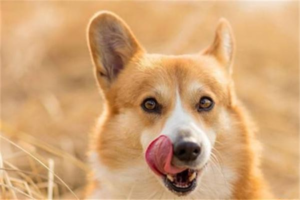
Is It OK Not to Dock a Corgi’s Tail?
Corgis can absolutely keep their tails. They're born with them; docking began because working herders wanted to avoid tail injuries and aid movement. Today, as family pets, most corgis have no need for it—and many are docked only because owners like the look. But the tail matters: it helps with balance, expresses emotion, and its removal can affect wellbeing and even invite bullying. The surgery also carries pain and infection risk. Unless necessary, leaving the tail is the kinder, healthier choice.

How to Prevent Folliculitis in Dogs
Folliculitis—red, flaky, itchy skin with hair loss—is common in long, short, and hairless dogs alike, but you can lower the risk. Keep the skin clean with dog-specific, lukewarm baths at the right frequency (over-bathing damages the barrier); check the coat and skin weekly for redness, sores, or bald patches; feed quality, balanced food and skip table scraps that trigger obesity and hormone issues; give outdoor exercise to boost circulation and immunity; avoid over-brushing or over-clipping that breaks the skin barrier; and control external parasites with regular deworming. For a dog already affected, keep its space dry and clean, use gentle products, and see a vet promptly for severe signs like pus or intense itching—treatment is usually antibiotics, anti-inflammatories, or topical antiseptics.

What Are the Benefits of Sunbathing for Dogs?
Letting a dog bask in the sun in moderation is a simple way to boost its health and happiness. Sunlight helps the body make vitamin D, which drives calcium absorption and strong bones. It also acts like a natural antidepressant—easing stress, anxiety, and low mood while improving circulation and brain function. UV rays stimulate immune cells so the dog resists infections better, and mild exposure can calm skin inflammation, speed wound healing, and keep the coat shiny by reducing surface bacteria and parasites. The catch is moderation: too much sun, especially at midday, risks dehydration, heatstroke, and even skin cancer. Always offer shade and fresh water, and keep sessions short.
What should I do if my cat is engorged with milk?
Lower protein in the diet to reduce supply, hand-express excess milk, and warm-compress the breasts. If severe or unresolved, check for mastitis at the vet.
Everyday Habits That Seriously Harm Your Dog’s Joints
Joint disease in dogs is on the rise, and beyond obesity many overlooked daily habits do real damage. Slippery floors force dogs to grip hard and risk falls; bad exercise — long runs, sharp stops, jumping from heights — wears joints down; frequent stairs overload the knees, especially in long-backed breeds like Corgis; standing on hind legs for attention strains the spine; and overfeeding accelerates cartilage loss, particularly in large breeds with hip-dysplasia risk. Cold, damp floors stiffen joints and worsen pain. Watch for early signs — stiffness after rest, reluctance to jump, hind-leg dragging, pain when touched — and support joints with glucosamine and chondroitin.
Why Dogs Drink Less in Cold Weather (and Why It Matters)
As temperatures drop, many dogs drink far less, but winter dehydration is no minor issue — it can concentrate urine, form mineral crystals, and lead to urinary tract infections, stones, or even blockages. Low water also slows digestion and causes constipation, strains the kidneys, and thickens the blood, burdening the heart. A healthy adult dog needs 40–60 ml of water per kg daily, and no less than 30 ml/kg in winter. To encourage drinking, offer warm water (28–40°C), add a splash of something tasty like broth, place bowls around the home, use a flowing fountain, and boost activity on sunny days so your dog drinks after exercise.

Care Tips for Keeping a Border Collie
The border collie is the smartest dog breed, bright enough to outthink its owner, so patience and skill matter in training. As a large, high-energy dog it needs daily exercise, such as frisbee, to burn off energy and avoid destructive behavior. Groom its dense coat twice a day in shedding seasons, train with rewards not force, watch for hereditary issues like eye and hip disease with regular checks, feed by life stage, and deworm and vaccinate while avoiding Collie-sensitive drugs.