Search Results
335 results for “Circulation”
What should you pay attention to when feeding a pet rabbit?
When feeding a pet rabbit, provide enough fresh grass, hay, or rabbit pellets as the staple, plus moderate vegetables and fruit like carrot and apple (avoid overly watery fruit). Rabbits need clean drinking water and a clean, well-ventilated environment to stay healthy.
My cat’s hind legs are paralyzed as if broken; is there any hope, can it heal on its own, and if treatable how much would it cost?
Hind-leg paralysis often comes from spinal injury, nerve damage, neuritis, stroke, or poor circulation; treatments and costs differ, and some injuries are incurable. Spinal injury from a fall may be treated with medication or physical therapy (about 1000-5000 yuan). Always get a vet exam to find the cause.
What are the harms of an overweight dog?
Obesity raises risks of heart disease, joint problems, and diabetes, and shortens life. Extra fat burdens the heart and circulation; excess weight stresses joints causing arthritis and pain; fat disrupts insulin causing diabetes.
How Can I Get My Samoyed’s Ears to Stand Up?
Samoyed is an erect-eared breed; if not up, maybe too young, poor nutrition, or mixed breed. Usually erect at 3-4 months, some at 5-6. If too young, wait. If of age, add protein and calcium, massage ears to stimulate circulation. If still down, try taping.
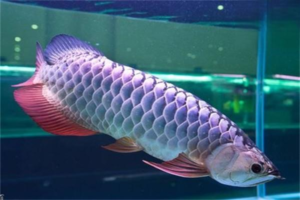
What to Do When Your Arowana Is Floating Belly-Up
An arowana floating belly-up is mostly caused by water-quality problems; excess ammonia nitrogen or nitrite can easily trigger it. Once this happens, change the water immediately, lower the overall water level, and increase aeration. Also straighten the fish's body and secure it without hindering circulation. Act promptly to treat a belly-up arowana; below our experts share relevant rescue methods.
After shaving my dog in summer, the neck, hind legs, and rear still haven’t grown hair back—why?
Patchy hair loss after shaving may mean the follicles were damaged by cutting too short; give vitamins, unsaturated fatty acids, and lecithin to repair follicles, spray the area, and massage daily to boost circulation. Sometimes it is permanent from constitution or endocrine issues; keep a layer of undercoat when shaving.
I have a gray lop-eared rabbit. Today its fur was matted and I couldn’t comb it out, so I used scissors and accidentally cut a small wound in its skin – a little blood at first, and after disinfecting with povidone-iodine the flesh looks whitish.
If you accidentally cut a rabbit's skin, choose the care method according to the wound's size. If the opening is large and looks hard to heal, take the rabbit to the hospital for debridement and suturing. For a small wound with exposed flesh, first shave the fur around it with clippers (avoid scissors), then after exposing the wound, use a cotton swab with hydrogen peroxide or povidone-iodine to gently wipe and disinfect the rabbit's wound, and sprinkle an appropriate amount of pet wound powder (such as Chongsuohe) to fully cover the wound. If needed, pad the wound with cotton and wrap with sterile gauze, not too tightly to avoid poor circulation or inflammation. Watch for discharge and change gauze daily (about three times), keeping the area dry and away from water. Fit an Elizabethan collar to prevent licking; with patient care it usually heals in 7-15 days.
How can I make my Teddy’s coat denser?
A dog's coat density is related to its nutritional status, genetic makeup, and health. If a Teddy's fur is sparse, the owner can feed it foods rich in protein, vitamins, lecithin, and unsaturated fatty acids, such as chicken breast, beef, egg yolk, fish oil, fruit, and vegetables. Second, brush the Teddy regularly, 2-3 times a week, to help remove impurities and dead skin cells and promote blood circulation and the growth of new hair. Finally, bathe the dog regularly to keep the coat clean and healthy, using a pet-specific shampoo to avoid damaging the dog's skin barrier.
When does a Golden Retriever start growing chest fur?
Female Golden Retrievers do not grow chest fur; male Goldens generally begin growing chest fur at 7-8 months of age and finish by about one year. To promote coat growth, besides providing adequate nutrition you can appropriately supplement with lecithin. To keep the coat smooth, the owner should also brush the dog frequently, starting from the neck with a comb, working through any mats layer by layer and not missing the undercoat. Brushing stimulates the skin, improves circulation, and supports hair growth.
What water conditions do angelfish like?
Angelfish prefer slightly acidic water. While keeping them, keep the pH between 6.2 and 6.8 to avoid 'black death disease.' Although they are demanding about water, they also dislike frequent water changes because they like still water; prolonged strong currents weaken them. A circulation filter helps slow water degradation.