Search Results
133 results for “Chilling”
What medicine should I give my cat for a cold?
Cat colds can be treated with GanNuoning and doxycycline tablets plus warmth and water, but a vet visit is needed if symptoms persist or point to viral rhinotracheitis. Never use human cold medicine.

Why Does Your Cat Love Drinking from Your Cup?
A cat may prefer your cup for several reasons: it likes fresh, clean water and may snub a stale bowl; moving water catches its eye; and it may be mimicking you. Keep its bowl water fresh and clean, and in cold weather offer warm water, to encourage drinking — dehydration raises the risk of urinary stones.

After the Swim: Preventing Ear Infections, Skin Trouble, and Tummy Upsets in Dogs
Swimming is a great low-impact workout that cools dogs off and supports their joints—but skipping the clean-up afterward can lead to three common problems: ear infections, skin irritation, and digestive upset. A dog’s L-shaped ear canal traps water that shaking alone won’t fully remove, creating a warm, moist space where yeast and bacteria thrive. Thick or double coats that aren’t fully dried breed the same trouble on the skin. And a cold abdomen plus post-swim air conditioning or ice water can upset a sensitive gut. The fix is simple: clean and dry the ears, blow-dry the coat layer by layer (especially armpits, belly, and paw folds), and let the dog rest before any AC, cold water, or rough play—offering a probiotic if its stomach is delicate.
How to Care for a Dog with Pancreatitis
Pancreatitis is a high-risk digestive emergency, especially common in overweight middle-aged and senior dogs, and it often returns even after recovery — so proper home care matters as much as treatment. During a flare-up, withhold food and water immediately and see a vet; never self-medicate. After discharge, feed a prescription diet under 10% fat (regular food is 15–20%+), split into 4–6 small meals, and strictly avoid all high-fat foods such as fatty meat, organ meats, fried food, and rich treats. Keep your dog warm to protect the abdomen, allow only gentle short walks, follow the medication plan exactly, and return for regular pancreatic checks. Controlling weight is the best prevention — obese dogs are over three times more likely to develop pancreatitis.

How to Care for an Alligator Snapping Turtle
Alligator snapping turtles are aggressive, long-lived freshwater turtles that make challenging but rewarding pets. They are mostly aquatic but must come ashore often to breathe, so provide a rock or basking platform. Keep water deep, about two to three times the shell height, with a land area for shelter and sunning. Change only one fifth to one third of the water weekly to avoid shocking them. Feed a varied carnivorous-leaning diet of fish, shrimp, earthworms, lean meat, and insects plus some greens, and keep the temperature steady at 26 to 32 degrees Celsius. Avoid overfeeding and too much fat or salt, and clean the habitat regularly to prevent disease.
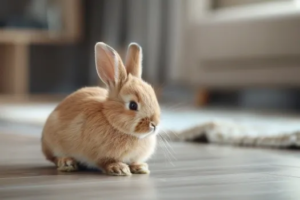
Do Rabbits Need to Hibernate?
Rabbits do not hibernate. As warm-blooded animals, they regulate their own body temperature and stay active through winter. That said, they still feel the cold despite their thick fur, so owners must provide warmth and shelter when temperatures drop. Moving the hutch indoors, sealing drafts, lining the cage, and adding soft bedding all help prevent chilling. Adjusting the diet with extra food and higher-calorie items supports their increased winter energy needs. This article explains why rabbits skip hibernation and how to keep them safe in cold weather.
Concerning Cases of Dog Vomiting
Vomiting itself is common in dogs, but certain patterns signal something more serious than a simple upset stomach. Seasonal vomiting is often pathological, and owners should match the symptom to its likely cause. A cold, a bacterial imbalance, or intestinal parasites each produce a distinct picture—from clear mucus with sneezing to worms appearing in the vomit. Knowing what to look for helps you decide between home care and a prompt trip to the vet, and ensures a heavy parasite load or deeper illness is not missed.

Can a Cat Catch a Cold from Sleeping on the Floor?
Sleeping on the floor doesn't automatically make a cat sick—if the room is warm and the cat is healthy, it's fine—but a cold floor in a chilly room, especially for a low-resistance cat, easily leads to a cold or even diarrhea. Cats are comfortable around 25–28°C, and they sleep 14–15 hours a day, so long floor sessions raise the risk even for tough cats. If your cat loves the floor: keep it clean, add a mat or bed where it sleeps, and set the room to a comfortable temperature. A floor nap is okay in summer to cool off, but avoid it right after a bath or illness, and skip it in winter.
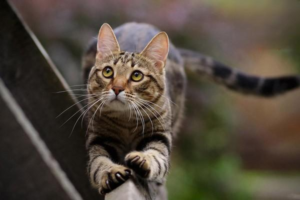
Can a Cat Vomit from a Cold?
Yes—a cat can vomit from a cold, usually from the chill. Like people, a cat may feel nauseated when chilled, and vomiting may briefly ease the feeling, but vomiting harms a cat's stomach, so during a cold support the gut with probiotics that also revive appetite. A cold shows as sneezing, runny nose, cough, fever, lethargy, and poor appetite; use these to confirm the cause. If it vomits without those signs, look to diet or stomach trouble instead. Treatment is simple: warm the cat, give water and nutrition; severe cases need vet-prescribed cat cold medicine. During recovery, don't overfeed, keep it from chilling again, and add a nutrient paste once it improves.

Physiological Traits of Newborn Puppies
Newborn puppies are fragile and depend entirely on their mother. They can't stand at birth, regulate their own temperature, or control elimination, and their digestive and immune systems are still developing — they get early immunity only from the mother's colostrum, which drops sharply after 25 days. Good daily care means a warm, quiet nest, supplemental warming if the mother is absent, scheduled nursing with small frequent milk feeds, and daily checks of elimination. Watch for diarrhea and keep the umbilical area clean and disinfected with iodine to prevent infection.