Search Results
18 results for “Cat sadness”
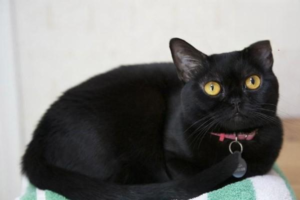
Do Cats Cry from Sadness?
Do cats cry when sad? The answer may differ from what some expect.
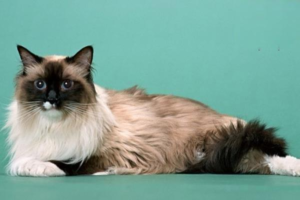
Signs That a Cat Is Sad
Cats do feel sadness, and they show it through lost appetite, low mournful meows, a droopy gaze, and attention-seeking misbehaviour. Reading their mood also comes down to vocal tone and tail language — a raised, swishing tail means excitement, while a sharp flick signals anger.
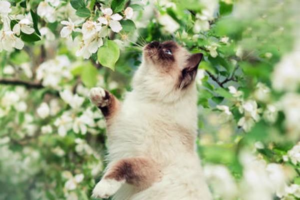
How Weather Affects Your Cat’s Mood and Health
Cats feel weather as keenly as people do, storms, cold, heat, and humidity all shift their mood and health. Watch for heatstroke and hypothermia in extremes, and keep the home between 20 and 25 C with sun, warmth, and steady routine.

Do Cats Really Get Jealous?
A partner visits and the cat seems jealous - side-eyeing us both or jumping between us to stir trouble! Do small animals have jealousy?

How to Tell Your Cat Is Unhappy
Cats hide feelings well, but vocal changes, airplane ears, a tucked tail, and withdrawal all signal distress. Even purring can mean a cat is self-soothing rather than happy.
What happens if a cat leaves its owner?
A cat's reaction to leaving its owner varies by personality, age, health, and time away. Short absences bring loneliness and withdrawal; leave food, water, and toys or have someone care for it.

Can Cats Tell Men and Women Apart?
Cats don't grasp the social idea of gender, but they do tell people apart by scent, sound, and body size. Their smell is about 14 times keener than ours, picking up human hormones and pheromones — including pregnancy and menstrual changes — so a cat may sense a woman is pregnant or cycling before she realizes it.
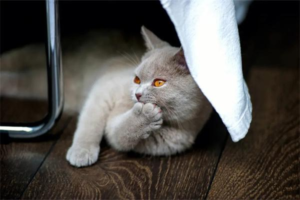
Do Cats Cry?
Cats do produce tears, but tearing is rarely from sadness—most often it's flat-face anatomy, eye disease, food, irritants, or smells. True emotional crying is rare. Wipe the eyes clean, rule out irritants or illness, and see a vet if tearing persists.

What Are the Signs That a Cat Is Sad?
Sad cats often show it through loss of appetite, hiding, watery eyes, over- or under-grooming, and poor sleep. Comfort them by respecting their space, offering a safe retreat, and engaging in calm, low-pressure interaction.
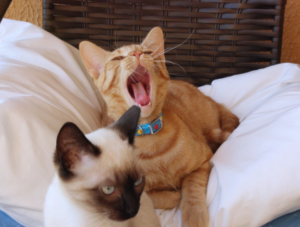
Yes, Cats Get Jealous: 5 Signs to Watch For
Cats may look aloof, but they do feel jealousy, rooted in a strong sense of ownership. When a new pet arrives or you focus on another animal, a cat may fixate on the "rival" while emitting a low growl. Some cats act out by spraying, destroying things, or fighting; others go quiet, hide, and refuse food. That withdrawal reflects sadness and anxiety, and if ignored it can harm health, lowering immunity, causing weight loss, or triggering feline idiopathic cystitis. The good news is that jealousy means your cat cares; more one-on-one time and a slow introduction of newcomers resolve most cases.