Search Results
476 results for “Cat grass”

Cat Grass vs. Catnip: What Is the Difference?
As carnivores, cats occasionally need to eat grass too. Here is how cat grass differs from catnip, and whether they are safe to feed often.

Can Cats Eat Grass? Benefits, Risks, and Growing Cat Grass
Many cats nibble grass, and it isn't necessarily a problem — grass can supply folic acid and fiber and help with hairballs. The real risks come from lawn chemicals and toxic houseplants. Here is the safe way to offer it.

What to Do If Your Cat Eats Grass
Scientists can't agree on the single reason cats and dogs eat grass, but several theories exist. It may just differ by animal. Here are some possible answers.
Why does a cat like eating grass?
Sudden grass-eating may mean poor digestion, missing nutrients, stress, or pica. Cats with weak guts eat grass to aid digestion, or to supplement lacking minerals. Long-term mineral lack causes pica; stress can also drive it.
Why Does a Cat Like to Eat Barley Grass?
Barley grass has a special enzyme aiding digestion and preventing gut disease. It's high in soluble fiber, promoting gut motility and preventing constipation. It also helps expel hairballs and relax the nerves, reducing stress.
Swallowed a plastic decoration from a hair tie ~40 min ago, no vomiting, gave 4 cat-grass tablets — will it pass?
After swallowing a foreign body, assess size and digestibility; plastic decor is hard to digest. Within half an hour, induce vomiting (hydrogen peroxide at home); if it won't come up, go to a vet for endoscopic removal to avoid surgery. If not treated, watch stool/vomiting 48h and X-ray if abnormal.
Why does a cat eat grass?
Cats eat grass for upset stomach, stress, or lacking trace minerals. Grass triggers vomiting to expel hairballs, or compensates for a one-sided diet.
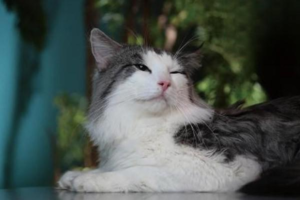
Why Cats Vomit and What to Do
Not every cat vomit means illness — healthy cats throw up occasionally — but weekly or more frequent vomiting warrants a vet visit. Causes range from eating too fast and hairballs to food allergies, infections, parasites, toxins, and underlying organ disease, and it helps to tell true vomiting from simple regurgitation.
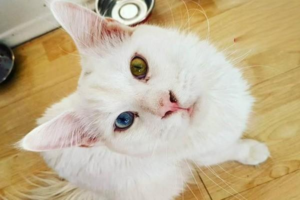
How to Deal with Hairballs in Cats
Cats swallow loose fur while grooming, and when it piles up it causes hairball syndrome — lost appetite, retching, and constipation, potentially even intestinal blockage. Manage it with hairball paste from around 4 months, cat grass, daily brushing, and the occasional hairball-control diet.

When and How Often to Give a Cat Hairball Paste
Cats can start hairball paste around six months, with one to two servings a week for prevention and three to five during shedding season. Cat grass, regular brushing, hairball-control food, and supplements like fish oil all help keep swallowed fur from building up in the gut.