Search Results
476 results for “Cat grass”

Cat Vomiting Yellow Fluid Several Times a Day: What to Do
Vomiting yellow fluid multiple times a day is not normal and can stem from parasites, infection, empty-stomach acid, gut disease or something eaten. Hair in the vomit points to a hairball. Frequent vomiting dehydrates fast, so identify the cause and get veterinary help if it persists.
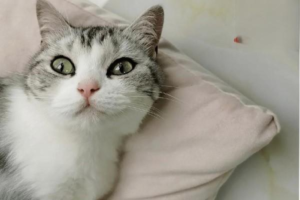
Natural Foods That Help Prevent Hairballs
Hairballs form when cats swallow groomed fur; instead of only hairball paste, try cat grass, a little olive oil, mashed sweet potato, or oatmeal to aid passage. Use in moderation and alternate with paste.
Kitten recently eats very little and stools are very dry
The image is blurry, but poor appetite with dry stools may be hairballs, constipation, blockage, or a single diet, and can be an early sign of disease. Try cat grass and hairball paste first.
Vomiting two or three times a month, sometimes hairballs, sometimes kibble or yellow fluid with white foam; eats but never gains weight
There are many causes of vomiting in cats, including indigestion, hairballs, parasite infection, and others. Based on your description, these are the main considerations. When too much hair builds up in a cat, it usually vomits hairballs; the owner can regularly give hairball paste or cat grass to help the cat pass the hair. In addition, a cat vomiting kibble may be from eating too fast or indigestion, so feed on a fixed schedule and control the eating speed. Furthermore, since the cat never gains weight no matter how much it eats, also consider whether it has a parasite infection; regular deworming is recommended.
A few days ago my kitten was playing and got startled by a rag, then it jumped in fright, and now it’s afraid of the quilt, pillow, rag, socks, everything, though eating, drinking, and toileting are fine; it’s just timid around those things, even its own sleeping mat.
After being startled, fear of those items is a common reaction in a timid, sensitive cat. Do desensitization training: avoid the feared items, change the mat's material or color, or put cat grass on it to reduce fear.
Vomited long ago during a food change, otherwise home; last night fine, this morning it greeted me, then suddenly vomited in the litter box and on the floor — brown discharge with some hair.
Vomiting with hair in soft stool suggests hairballs. Cats swallow fur that builds up and they expel it by vomiting/stool. Feed cat grass or hairball paste and add water; if vomiting/diarrhea persist, see a vet.
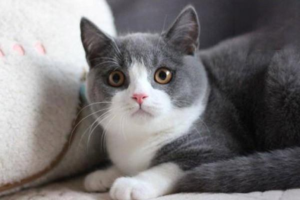
Dealing With Heavy Spring Shedding
In the shedding season cats are walking dandelions as they swap coats for the new climate. Fight it four ways: brush daily with a multi-tooth pin brush (gentle, so the cat learns to love it); bathe monthly with cat-specific shampoo and dry thoroughly; feed a balanced diet with skin-support nutrients like omega-3/6; and use a hairball gel (a gut lubricant, not a dissolver) instead of inducing vomit with cat grass, which can inflame the esophagus and trigger pancreatitis.
Suddenly its belly convulsed, then it vomited; first solid chunks, then yellow-green fluid. Has happened several times before.
From the photo, the cat vomited undigested kibble with hair, usually from overeating or hairballs. Fast it briefly; feed on schedule and give hairball paste or grass to prevent recurrence.
Vomited pink fluid on day one, pale yellow on day two, nothing on day three, ate normally the first three days, but today stopped eating and vomited with blood streaks
There are many causes of vomiting in cats, including hairballs, gastroenteritis, eating the wrong food, or foreign body obstruction. It is recommended to take the cat to a veterinary hospital promptly to find the cause.

Chinchilla
The Chinchilla, with the English name Chinchilla, originates from Britain and descends from the Angora and the Persian. Some call it the artificial cat, hinting it was deliberately bred by humans. Notably, the Chinchilla was the first fully human-bred cat, appearing in 1894.