Search Results
476 results for “Cat grass”

Is My Cat Hiccuping or Something Else?
A cat that twitches or spasms isn't necessarily hiccuping. True hiccups appear as a series of brief, rapid jerks, often with a soft 'hic' sound, and are a normal reflex that helps expel stomach gas—usually triggered by eating or drinking too fast. If the twitching doesn't match that pattern, it may point to digestive issues (retching from hairballs or bloating), respiratory infections, or even neurological problems such as seizures. This article explains how to tell hiccups apart from more serious causes and when to see a vet.

How Cats Catch Parasites
Parasites reach cats through many routes, so even strictly indoor cats are at risk. Mother-to-kitten transmission passes some larvae via placenta or milk (e.g., toxoplasma). Ingestion brings eggs or infected hosts (cockroaches, fleas, mice, sparrows)—even sealed cat food isn't sterile. Some larvae burrow through paw skin (hookworm). Vectors like mosquitoes spread heartworm; fleas host tapeworm. Direct and indirect contact (shared bedding) also transmit. Because external parasites often host internal ones, treat both together.

How to Tell If Your Cat Has Parasites
Kittens often get parasites from mother's milk; adults pick up eggs or infected prey. Knowing the warning signs lets you act early. External parasites are visible: itching, hair loss, lice clinging to skin, white flea eggs, and black specks (flea dirt) that turn red in water—which also hints at tapeworm, since fleas host it. Internal parasites show as dull coat, pale gums (anemia), tarry stool, vomiting, appetite loss, swollen belly, lethargy, or visible worms/segments in stool. See an online vet or clinic for a test.

Which Plants Are Safe for Cats to Eat?
Plants are a fun, near-zero-nutrition snack; cats eat grass mainly to clear hairballs and gut debris. The good news is several non-toxic plants are safe to grow at home, pleasing your eye while keeping the kitten safe. This guide lists cat-friendly options—oat grass, bamboo, money tree, moth orchid, spider plant, African violet, Tradescantia, and silver vine—with notes that a few (spider plant stems, silver vine) have mild hallucinogenic effects, so avoid large amounts.

Hairballs: What Every Cat Owner Should Know
Cats groom constantly, and their barbed tongues pull loose fur into the stomach—making hairballs unavoidable. Normally the fur passes in stool or comes up as a vomit with a wet clump; trouble starts when it builds up. The best defenses are frequent brushing to cut intake, cat grass (wheat, barley, oat seedlings) whose fiber helps move fur through the gut, and hairball paste that lubricates with glycerin so the cat passes it. This guide explains why hairballs form and how to prevent them.

Why Your Cat Throws Up Undigested Kibble (and How to Stop It)
Cats that vomit undigested kibble usually have a gut issue. Eating too fast or too much, hairballs from grooming, or gastroenteritis from infection, parasites, or foreign objects are the usual triggers. For mild cases, a short fast plus a pet probiotic helps; hairballs respond to hairball paste or cat grass. If gastroenteritis is the cause, only medicate after vomiting stops, using a vet-prescribed antibiotic and anti-emetic, and keep regular deworming and small meals to protect the gut.

What to Prepare When You Bring a Cat Home
Bringing a cat home means stocking up on a few essentials first. You'll need a litter box (open or semi-enclosed) with tofu litter and a scoop, plus ceramic or stainless steel food and water bowls and at least two water stations. For food, a quality dry kibble, occasional boiled chicken or beef, and a weekly wet-food meal cover the basics, with treats kept to a minimum. Scratching posts and teaser toys keep your cat active and protect your furniture, while nail clippers, cat-safe shampoo, a carrier, and a pet disinfectant handle grooming and outings. Finally, hairball remedies and a regular parasite-control plan keep your new companion healthy.

Is It Normal for Cat Poop to Come in Segments?
Segmented-looking cat poop isn't automatically a problem. If the stool is basically a continuous log with a few cracks and your cat acts normal, it's usually just how the colon forms stool. But hard, stone-like lumps, blood or mucus, straining, or no bowel movement signal early constipation. Boosting water, adding wet food, and daily brushing for hairballs are the first steps; see a vet if it doesn't improve.

Why Your Cat’s Eyes Keep Getting Inflamed
Frequent feline eye inflammation often starts with a dirty, dusty home that lets bacteria or fungi take hold, or with injuries from branches and grass during play. Allergies to pollen, dust, or food can trigger it, and some cats are born with eyelid deformities like entropion or ectropion that invite infection. Have a vet confirm the cause and treat with medication or surgery when needed. At home, keep the environment clean, limit outdoor risks, and wipe the eyes regularly with saline to cut down on dust and bacteria.
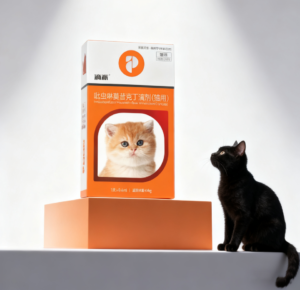
Cat Dewormers Compared: How to Choose the Right One
More than half of household cats are estimated to carry at least one parasite at some point, with fleas, roundworms, and heartworm among the most common. Regular, science-based deworming can sharply lower that risk and protect both cat and owner. This guide compares the main types of cat dewormers by their active ingredients and explains how to match a product to your cat's age, lifestyle, and parasite exposure, so you can build a safe, sustainable routine without relying on brand hype.