Search Results
1019 results for “Cat fever”

What to Do When a Bath Gives Your Cat a Fever
Cats chill easily, so a bath that isn't dried thoroughly can turn into a cold and then a fever. Treatment follows the cause and temperature—mild fevers may need nothing but monitoring, while anything above 104.5 F warrants a vet; prevention is simply thorough drying and a warm, draft-free home.

What to Do When a Feverish Cat Won’t Eat
A cat that stops eating risks dehydration, so stimulating appetite during a fever is important. Help by offering tempting foods, using probiotics for gut balance, syringe-feeding if there's no vomiting, and giving IV fluids for severe cases. Always address the underlying cause of the fever.

Why Your Cat Has Intermittent Fever
Intermittent fever in cats usually signals an underlying disease, and most recurring-fever cases turn out to be feline infectious peritonitis, or FIP. Diagnosis relies on blood and urine tests, and FIP needs continuous, consistent treatment supported by good nutrition.
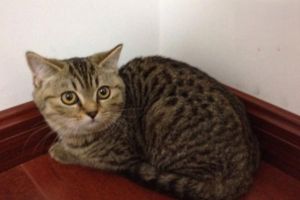
Can Cats Get a Fever?
Yes, cats do get fevers, though their naturally higher body temperature makes it hard to spot. Watch for a dry, hot nose, warm ears and tail tip, lethargy, and heavy drinking, and confirm with a rectal thermometer reading.
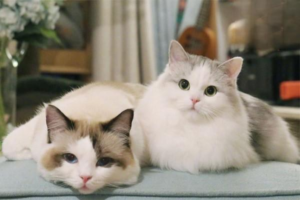
How to Tell If Your Cat Has a Fever
A cat's normal temperature runs 38.0–39.0°C for adults and 38.5–39.5°C for kittens; a hot, dry ear or, more reliably, a rectal reading above 39.5°C signals fever. Short-term cooling (shade, paw-pad wiping, cool towels) helps, but the underlying cause, from infection to pyometra, needs a vet.

Will a Feverish Cat Get Better on Its Own?
A cat rarely shakes off a fever by itself, because fever means inflammation is already underway — a low-grade temp may sometimes settle, but a high one usually needs hands-on cooling and, often, medication. Start with cooling (alcohol or cool water on paw pads, ear tips, and belly) and fluids; only move to drugs or shots once a vet has made a diagnosis.
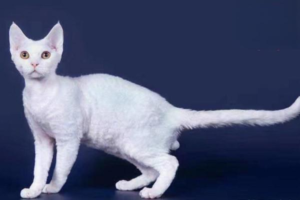
Cold Symptoms and Fever in Sphynx (Hairless) Cats
Sphynx (hairless) cats lack a fur coat and lose heat far more easily, so they catch colds more readily than other breeds. Mild cases with a low fever under 39.5°C can often recover at home with warmth and supportive care, but a cat that won't eat, grows weak, or fails to improve needs prompt veterinary attention.

What to Do When Feline Herpesvirus (Cat Rhinotracheitis) Causes a High Fever
Fever from feline herpesvirus (cat rhinotracheitis) keeps returning unless the underlying infection is controlled. Bring the temperature down fast — vet injection or pet-formulated flunixin meglumine at home — then fight the virus with lysine, eye drops for keratitis, and strong nutritional support.
What Medicine to Give a Cat with a Fever
What should we do if our cat shows fever symptoms? Most owners think of giving medicine, but few know what to give a feverish cat, so they cannot treat the cause and the cat suffers. Here we explain what medicine a feverish cat should take, for targeted treatment.

Fever in Dogs and Cats: Causes, Detection and How to Reduce It
Fever in dogs and cats can stem from infections or non-infectious issues like heatstroke and post-vaccine reactions. Learn how to take your pet's temperature, recognize fever signs, and safely reduce fever with cooling and vet-approved medication.