Search Results
1286 results for “Cat bath”

Treatment and Prevention of Stud Tail Dermatitis in Cats
Stud tail is usually mild but recurs and needs ongoing care. Treatment includes medicated benzoyl-peroxide baths, topical antibiotics, neutering, and—if severe—cellulitis care. Prevention centers on diet, hygiene, and neutering.
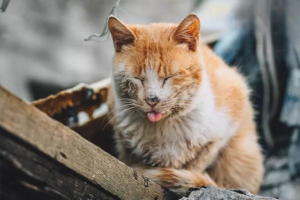
Common Causes of Shivering in Cats and Dogs and How to Manage Them
Shivering is body trembling from cold, emotion, disease, or weakness—common in pets, and seizures include it. Causes range from simple cold to poisoning or infection; this article reviews them.

Is Cat Folliculitis as Contagious to People as Ringworm?
Folliculitis isn't strongly contagious like ringworm and rarely spreads to people, but in multi-cat homes isolate the affected cat. This article explains why.

Can Cat Chin Folliculitis Heal on Its Own?
Cat chin folliculitis (black chin) comes from oil buildup, clogged follicles, and bacteria. Mild cases may self-heal with diet and hygiene; severe ones rarely do. This article covers how to speed recovery.

Medications and Care for Common Pet Injuries: Fractures, Sprains, Burns, and Wound Infections
Pets can suffer fractures, sprains, burns, bee stings, snake bites, and wound infections, especially outdoors. Prompt first aid prevents infection and permanent damage. This article covers causes, symptoms, and the medications for each.

What Medication for Canine Bacterial Folliculitis
Both fungi and bacteria cause dog folliculitis, but bacterial cases take longer to treat than fungal ones, so patience is needed. This article covers the medications and methods for bacterial folliculitis.

What to Do When a Cat’s Tail Folliculitis Causes Heavy Shedding
Tail folliculitis in cats, also called 'stud tail,' causes hair loss and redness from overactive sebaceous glands. Treatment means adjusting diet, cleaning, medicated baths, and sometimes neutering. Once the folliculitis clears, the hair grows back.
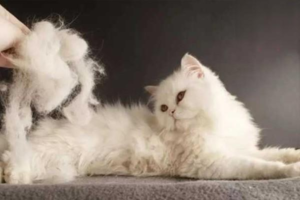
Common Causes of Shedding in Cats and Dogs and How to Relieve It with Medication
Shedding in pets is common, but excessive or abnormal hair loss usually signals an underlying problem—seasonal coat change, parasites, fungal infection, poor nutrition, allergies, hormonal imbalance, over-bathing, or stress. This article covers the causes and the medications that help.

Cat Ringworm: Symptoms, Causes, Treatment, and Daily Care
Ringworm is a contagious cat skin infection that can spread to owners — a real headache. Know the signs early and treat promptly. Learn ringworm's symptoms, causes, treatment, and daily prevention.

What to Do When a Cat Loses Fur in Patches
A cat shedding fur can be as hard to stop as a person losing hair, and the reasons vary. From seasonal change to ringworm, pinpointing the cause is key. Learn the common causes of patchy fur loss in cats and how to respond.