Search Results
1286 results for “Cat bath”

What to Do When Your Dog Has Fleas
Fleas are blood-sucking external parasites that itch and can spread disease. Without preventive care dogs pick them up easily from corners they love to explore. Treat the dog, clean the home, and stay on a deworming schedule.

Don’t Fall for These Winter Dog-Warming Myths
Dogs have their own natural cold tolerance, so piling on clothes, adding heated beds, or over-bathing in winter can do more harm than good. Dress only the most vulnerable puppies, skip the heating pad, and bathe no more than about every two weeks with a dog-safe shampoo.

How to Get Rid of Fleas on Your Dog: Effective Removal Methods
Fleas are blood-feeding external parasites that make dogs itch, damage the skin, and can spread other infections. Effective removal means treating the dog, disinfecting the home, and repeating the process because flea eggs are hard to kill and resist a single treatment.

Bump Near a Dog’s Eye: What to Do
A bump under the eye can be skin disease or a growth, so a vet must identify it before you treat. Growths may need surgery; infected lumps respond to a vet skin spray and ointment, plus clean surroundings.

Do Pet Dogs Carry Bacteria?
Dogs pick up bacteria from raw food, dirty water, public places, and their own toys, and the germs can harm both pet and owner. Skin or gut infection shows as itching or vomiting, and the fix is a vet diagnosis plus clean living.

Schnauzer With Bumps and Scabs on the Skin
Bumps and scabs on a Schnauzer's skin usually point to a parasite problem or a fungal or bacterial infection. Small affected areas can often be managed at home with gentle cleaning and a vet-recommended spray, but widespread or worsening lesions need a vet visit.
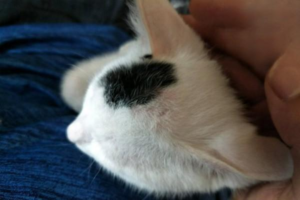
What Those Hard Lumps on a Kitten’s Head Mean
A hard, painless white lump on a kitten's head that neither grows nor fades is often a sign of ringworm. Ringworm comes from contact with fungi like Microsporum canis or Trichophyton, thriving in damp, dirty places. It causes scaly spots and hair loss, is contagious to people, and needs vet care plus topical antifungal ointment and good hygiene.

How to Treat Fungal Skin Infection in a Puppy
Fungal skin infection in puppies is common, slow to clear, and easy to confuse with other conditions — poor nutrition, a dirty environment, or careless grooming all raise the risk. Signs include circular hair loss, scaly patches, pimples, and relentless scratching. Treat with medicated baths, an antifungal spray, and a repair ointment, while boosting nutrition and keeping the environment clean.

How to Treat Skin Disease in a Poodle (Teddy)
Poodles have dense, curly coats that trap moisture and parasites, making them especially prone to mite-driven skin disease in hot weather. Red, itchy bumps, hair loss, and constant rubbing against furniture signal infection. Treatment pairs a topical parasiticide with an oral dewormer, plus a medicated ointment for severe cases, and omega fish oil to aid coat recovery.

How to Treat Red Bumps on a Labrador
Red bumps on a Labrador usually come from mites, fungal infection, vitamin deficiency, or poor coat care — not random, and good hygiene prevents most. Treat the specific cause, feed a bland diet, keep the dog cool and the environment disinfected, and see a vet for widespread bumps.