Search Results
1286 results for “Cat bath”
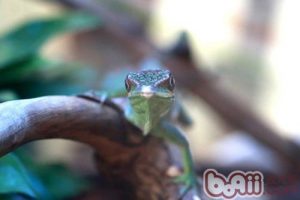
Green Anole
The Green Anole (Anolis carolinensis) is a small, tree-dwelling lizard from the southeastern United States and Caribbean, famous for changing color between green and brown, earning it the nickname 'American chameleon.' A diurnal, insect-eating pet that is easy to keep in a planted terrarium with heat and UVB.
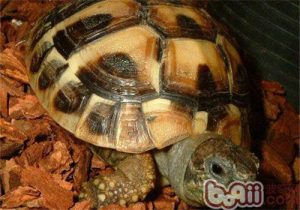
Western Hermann’s Tortoise
The Western Hermann's Tortoise (Testudo hermanni) is a common, beginner-friendly tortoise with undemanding environmental needs and good disease resistance, though it carries a relatively high price. Native to Spain and southern France, it is a Mediterranean-species herbivore that also occasionally takes animal prey.

Travancore Tortoise
The Travancore Tortoise (Indotestudo travancorica) closely resembles the Burmese Star Tortoise in appearance and shares its preference for a dry habitat. Though sometimes considered a subspecies of the Burmese tortoise, this has never been confirmed; it is a shy, inactive tortoise suited to simple husbandry.
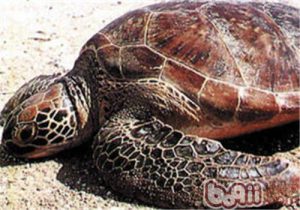
Loggerhead Sea Turtle
The loggerhead sea turtle (Caretta caretta) is a large marine turtle found in the warm temperate waters of the Atlantic, Pacific, and Indian Oceans. Historically overharvested for its meat and eggs, it is now listed as a protected species under international and Chinese law.

Exotic Shorthair
The Exotic Shorthair — everyone's "Garfield cat" — pairs the Persian's plush look with a short, easy-care coat. Sweet, calm, and affectionate, it's one of the most laid-back cat breeds to live with.

Canine and Feline Giardiasis: Symptoms, Treatment, and Prevention
Giardiasis is caused by the flagellate Giardia duodenalis attached to the intestinal mucosa, reducing absorption and causing diarrhea and wasting, especially in puppies. It is treated with antiprotozoal drugs and rehydration.
My dog is losing a lot of fur and has become very thin
Heavy shedding with weight loss often points to a mite infestation (demodectic or sarcoptic mange). A vet exam is needed to confirm, then treatment with medication, medicated shampoos, and dip therapy such as ivermectin.
My dog has mites, some areas are ulcerated, and it won’t eat — what’s wrong?
Based on the photos and description, the symptoms are mainly considered a secondary mixed bacterial infection after mite infestation. Without prompt treatment, excessive scratching easily leads to bacterial infection. For diagnosis, take the dog to a vet for a skin scraping microscopy. If mites and bacteria are confirmed, medicated baths plus topical or oral medication are generally recommended.
How effective is pet dry-cleaning powder (dry shampoo)?
Dry-cleaning powder is mostly starch; rubbing it lifts some oil and dirt and helps puppies avoid a chilly bath in winter. But it can't deep-clean a very dirty dog, and the fine white powder is hard to fully brush out, leaving visible residue on dark coats.

What to Do When Your Dog Refuses to Toilet at Home During Quarantine
Dogs trained to relieve themselves outdoors often refuse to go at home during lockdown. Help them by setting up a familiar toilet spot with pee pads, adding their own scent, mimicking outdoor ground, and encouraging water intake—and ease their stress with play.