Search Results
17 results for “Cat Vital Signs”
Why Does My Cat Keep Pawing at the Water Bowl?
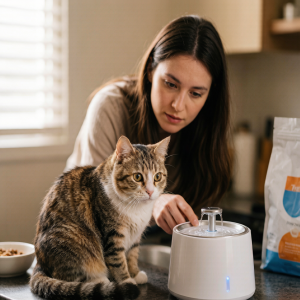
Cats are intelligent, clean-loving animals, and pawing at the water bowl usually signals something specific rather than random mischief. The behavior may mean your cat finds the water unclean, simply enjoys playing with water, feels bored or unhappy, or is trying to get your attention. Because drinking enough water is vital to feline urinary health, it is worth addressing. Keep the bowl clean and fresh, consider a circulating fountain to encourage drinking and curb the pawing, and provide engaging toys to burn off excess energy. Paying attention to your cat's mood and offering companionship also reduces attention-seeking behavior. Understanding the cause is the first step, so you can respond with the right fix instead of scolding.
Treatment for Corneal Ulcers in Cats
A vet diagnoses a cat's corneal ulcer with a full eye exam and fluorescein staining, though finding the cause can be tricky. Possible triggers include abnormal lashes, eyelid faults, dry eye, feline herpesvirus, and uveitis as a complication. A thorough exam, stain test, tear test, and cultures pin down size, depth, and infection so the right treatment can start.

Snake Bite Envenomation in Dogs and Cats
Snake envenomation occurs when a venomous snake bites a dog or cat, injecting toxin that can paralyze muscles, damage the heart, and stop breathing. Cobra-class bites can cause rapid heart failure and death. Immediate first aid and antivenom are vital.

Fluoroacetamide Poisoning in Dogs and Cats
Fluoroacetamide is a highly toxic rodenticide that blocks the citric-acid cycle, hitting the brain and heart hardest. Poisoned pets vomit, lose control of bladder and bowels, then convulse and may die within minutes to hours.

Postpartum Eclampsia in Dogs and Cats
Postpartum eclampsia, or milk fever, is low blood calcium in nursing mothers that causes whole-body tetany, usually two to four weeks after birth in small or large-litter females. It is an emergency treated by correcting calcium and calming seizures; without care it can be fatal in one to two days.
Chronic Kidney Disease in Cats: Symptoms and Treatment
Chronic kidney disease is common in cats and a leading cause of death, mainly because cats drink little, staying dehydrated and stressing the kidneys until function is slowly lost.
What to Do When a Cat or Dog Has Difficult Labor
Dystocia means the mother can't pass the puppies or kittens without help. It stems from the mother's weak contractions or the fetus's size or position — and recognizing the warning signs early is what saves the litter.
Choosing a CoQ10 Supplement for Your Pet’s Heart
Pets past about seven years old decline fast, and heart disease is among the highest-risk threats: mitral valve disease and dilated cardiomyopathy in dogs, hypertrophic cardiomyopathy in cats. Early signs—night coughing, panting, purple tongue, exercise intolerance—often mean Stage B2 or C, so the B1–B2 window is the time to act. Alongside prescribed medication, many veterinarians suggest a pet CoQ10 supplement for energy and antioxidant protection. But with crowded shelves, how do you choose? This guide explains what a quality formula should deliver: transparent, well-absorbed dosage; a heart–lung–vessel support blend (rhodiola, krill, astaxanthin, taurine, vitamins, grape powder, folate); palatability and safety for long-term use; and which pets benefit most.

Symptoms and Treatment of Intussusception in Dogs
Intussusception in dogs shows up in many ways, including loss of appetite, vomiting, abdominal pain, and diarrhea. Without timely treatment, the symptoms worsen as the condition progresses. Severe cases may bring intense abdominal pain, frequent vomiting, a swollen belly, abnormal posture, and intra-abdominal bacterial infection. Mild intussusception can often be corrected with air-enema reduction, while serious cases require surgery. This article details how to recognize the signs, the treatment options available, and the preventive steps that lower the risk of this serious digestive emergency.

How to Prevent Seizures After a Puppy Recovers from Distemper
Seizures can appear even after a distemper test turns negative because the virus is neurotropic—central-nervous-system damage and lingering inflammation may already be set. Prevention rests on three pillars: ease neuroinflammation, protect and repair nerve tissue, and avoid triggers. Nerve-support supplements (B vitamins, fish oil, citicoline, mecobalamin) help, and high-risk puppies may need low-dose long-term anti-seizure medication under a vet's supervision. Keep the environment calm and warm, skip baths during recovery, and feed highly digestible food with vitamin E, selenium, and lecithin. Learn the early warnings—repeated nodding, limb tremors, circling—so you can act before a full seizure.