Search Results
530 results for “Cat Stress”
Cat Stress Reactions and How to Ease Them
Stress is the most common feline behavior problem and a driver of many diseases. Triggers include new homes, vet or grooming visits, noise, household changes, and resource competition in multi-cat homes. Signs range from acute fear to chronic hiding, over-grooming, and aggression. Ease stress with a calm space, play, pheromones, and a vet check.
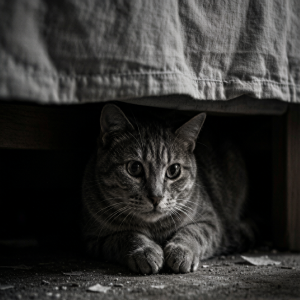
Cat Stress: Signs and What to Do
Basic knowledge about stress reactions in cats.

What to Do About Cat Stress (Stress Response)
Stress weakens a cat's immune system and can trigger bladder, gut, and breathing problems along with anxiety. A calm environment, a safe hideaway, and patience help; good early socialization prevents much of it.

Can Cats Get Post-Traumatic Stress Disorder (PTSD)?
Cats can develop PTSD after trauma such as abuse, abandonment, accidents, or attacks, showing as fear, aggression, trembling, hiding, inappropriate elimination, and jumpiness that can surface months later. Recovery is usually possible with a calm safe space, desensitization training, and sometimes medication and supplements — patience is key.
What Causes Stress in Cats
Cat stress comes from many things: environment changes, lack of company, noise, broken routines, household conflict, and health issues. Keep the home stable and quiet, stick to a routine, respect its boundaries, and see a vet if urination, appetite, or vomiting problems appear.
How to Relieve Stress in Cats
Too much stress harms a cat's body and mind and can even trigger illnesses like feline idiopathic cystitis. Give your cat a safe, stable, quiet home, play with it daily, offer toys, and keep its diet balanced to lower stress.
Helping a Cat Through Moving Stress
After a move a cat may hide, pant, stop eating, or even develop feline idiopathic cystitis from stress. Set up a quiet 'safe base' with its familiar bed, toys, and scent, run a synthetic pheromone diffuser, and speak and pet gently without forcing it out. If it refuses food and water over 24 hours, vomits, strains to urinate, or breathes fast with pale gums, see a vet — adapting can take 1–2 weeks.
What does a cat’s stress reaction mean?
Cat stress is the body's response to fright: initial tension followed by an immunity drop that can cause serious illness. Avoid frightening cats and comfort them through changes.
What are a cat’s stress reactions?
Cat stress shows as trembling, appetite loss, and digestive upset, and in severe cases vomiting or breathing difficulty. Reducing environmental change helps prevent serious health effects.

Are Timid Cats More Prone to Stress?
Timid cats really do stress more easily, spooking at small noises or changes like a stranger visiting or rearranged furniture, and a stress response can range from hiding to vomiting, diarrhea, fast breathing, or even urinary blockage and, in extreme cases, death. Stress is a physical and mental reaction that puts the body on alert and, if prolonged, can damage organs or cause sudden collapse. Timid cats tend to be emotionally rich and very sensitive to environment change, so the fix is a stable, quiet home with few surprises, plus gradual socialization to build confidence. After a stress episode, give space and only comfort once calm; seek a vet if signs are severe or persist.