Search Results
1093 results for “Cat Nutrition”

Feline Infectious Peritonitis (FIP): Symptoms and Treatment
FIP has always been one of the feline diseases that owners are very wary of, not only because of high medical costs but also because the cat may lose its life because of it. This article mainly helps everyone correctly understand feline infectious peritonitis, as well as how to diagnose and prevent it, and view FIP with a scientific attitude.
Can You Skip Shaving a Teddy Bear Dog’s Puppy Coat and Just Trim It Gradually?
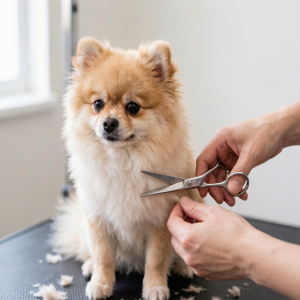
A Teddy Bear dog's puppy coat does not have to be shaved; shaving it is done for future appearance. The puppy coat is very soft, which is not ideal for later styling, so the owner can decide based on preference. Teddy Bear dogs can generally be shaved at about 5 months, and the regrown coat will be harder and denser, looking great after styling.
What to Do for Feline Liver Failure
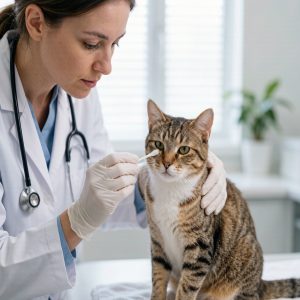
The veterinarian will perform various tests to diagnose liver failure and rule out other diseases that may cause similar symptoms. Obtaining a complete history, describing clinical signs, and a thorough physical examination are all important methods for reaching a diagnosis. In addition, a liver biopsy is necessary in some cases to obtain a definitive diagnosis. Your veterinarian may recommend the following tests to rule out other diseases and confirm the diagnosis of liver failure.

Treatment of Chronic Kidney Failure in Dogs
Treatment of chronic renal failure (CRF) in dogs must be based on the severity, cause, secondary diseases, and other factors your veterinarian analyzes beforehand. The ultimate goal is supportive care while treating and eliminating infection, dehydration, and malnutrition. This article outlines the treatment options and home care.

How Inflammatory Bowel Disease in Dogs Is Diagnosed
There are many causes of IBD in dogs, such as ordinary enteritis from improper diet, parasite-driven enteritis, and viral enteritis that generally needs antiviral treatment. This article explains the in-depth diagnostic workup used to confirm IBD.

Treatment for Inflammatory Bowel Disease (IBD) in Dogs
IBD in dogs is treated with a novel or hydrolyzed-protein diet, antibiotics (metronidazole, tylosin), corticosteroids (prednisone), sulfasalazine for the colon, and sometimes azathioprine. Home care means strict meds and diet, regular follow-up, and watching for infection or steroid side effects.

How to Care for a Senior Dog
Senior dogs need grooming help, proactive pain management for arthritis, vet-prescribed NSAIDs or other pain meds, and quality supplements (look for the NASC seal). Vet visits every 6 months after age 10 catch problems early. You and your vet are a team for a pain-free life.

Degenerative Joint Disease (Arthritis) in Dogs: Diagnosis and Treatment
Degenerative joint disease wears away the smooth cartilage that lets joints move without pain. It can last a dog's lifetime, so early recognition, accurate diagnosis, and weight and medication management matter most.

Do Kittens Need Extra Warmth in Winter?
Cats feel the cold and are prone to illness when temperatures swing, so winter warmth matters. A monthly bath with thorough drying, warm clothing indoors, fresh air, and warm soft food all help keep a kitten healthy.

Diagnosing and Treating Salmonellosis in Dogs
A firm diagnosis of canine salmonellosis relies on fecal culture plus history and exam, since many other infections look alike. Treatment ranges from gut rest and supportive fluids to carefully chosen antibiotics. Strict hygiene prevents spread to other pets and people.