Search Results
116 results for “Cat Kidney Health”

When Does a Dog Need Dental Surgery?
Dental surgery is a treatment or preventive measure for dental disease, mainly cleaning and polishing the dog's teeth. Note that no oral problem stays the same; on the contrary, the condition will continue to develop, making treatment more difficult, which also means a longer, more complex, and more expensive treatment process. In other words, when you need to properly treat your pet's dental disease, the earlier the better.

What to Do If Your Dog Eats Rat Poison
Depending on the amount, type, and timing of rodenticide ingestion, some pets can be treated on an outpatient basis while others require hospitalization. Treatment for rodenticide poisoning may include one or more of the following approaches:
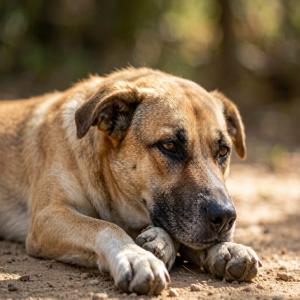
Causes and Diagnosis of Dehydration in Dogs
Dehydration can be caused by many diseases or abnormalities, which fall into two broad categories: reduced fluid intake and increased fluid loss. This article explains the common causes and how veterinarians grade dehydration severity by skin elasticity and lab tests.
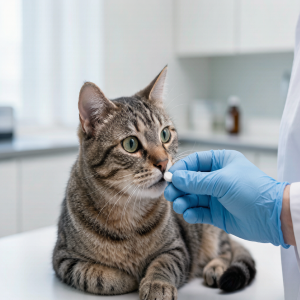
Treatment of Feline Hyperthyroidism
Treating feline hyperthyroidism may involve one or more of several approaches, starting with medication. This article covers methimazole, surgical thyroidectomy, radioactive iodine (I-131) therapy, and supportive follow-up care.

How Lymphoma in Dogs Is Diagnosed
If lymphoma is suspected, the vet starts with a full history and physical exam, then adds tests to confirm lymphosarcoma and rule out other diseases. Fine-needle aspiration is the most common first step.

Can Pets Eat Beets? Benefits and Safety Tips
Beets are a low-calorie root vegetable that can be a healthy occasional treat for dogs and cats. Learn the potential benefits — fiber, nitrates, betalains — and the precautions to feed them safely.
- « Previous
- 1
- …
- 10
- 11
- 12