Search Results
60 results for “Cat Health, Medications”

How to Improve the Survival Rate of Young Rabbits
Weaned rabbits under three months old have the lowest survival rate of any age group, with more than half of deaths caused by digestive disorders. Boost survival by minimizing stress during the transition, keeping a calm and clean environment, feeding small frequent meals of digestible high-fiber pellets, and following a strict vaccination and coccidiosis-prevention program.

What Are the Diagnostic Methods for Kennel Cough?
Kennel cough can stem from many causes, each needing a different treatment, so accurate diagnosis matters. Confirming it usually involves a physical exam, X-rays, pathology, bronchoscopy, and blood work, after which a vet sets a treatment plan. Drugs for kennel cough include anti-inflammatory, antiviral, and cough-suppressant medications, and with timely care most dogs recover fully.

What Medicine Should I Give a Dog Passing White, Thread-Like Worms?
White, thread-like worms in a dog's stool usually signal roundworms, hookworms, or tapeworms. Dewormers such as praziquantel, albendazole, or ivermectin can help, but a vet visit and fecal test should come first to identify the parasite. Good hygiene and regular deworming prevent reinfection.
45 Essential Tips Every First-Time Dog Owner Should Know
Bringing a dog home is a decade-plus commitment. This guide packs 45 must-know basics for new owners — from pre-arrival prep, feeding, and vaccines to grooming, deworming, and behavior training — so you can keep your dog healthy and avoid the common mistakes that cause illness, fear, or bad habits.
What Causes Pancreatitis in Dogs?
Dog pancreatitis has many causes: fatty or high-carb meals, overeating, obesity, infections, some medications, and certain at-risk breeds. Keeping the diet lean, the weight healthy, and scheduling annual checks for seniors are the best defenses.
What Dewormer Works Best for Tapeworms in Dogs?
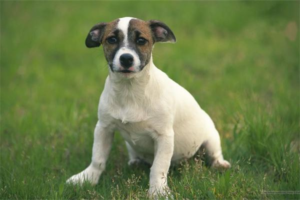
Dog tapeworms cause diarrhea, soft stools, weight loss, and visible white segments. Effective drugs include praziquantel, niclosamide, albendazole, fenbendazole, and pyrantel. Pick by the tapeworm species and your vet's advice, support the gut with probiotics, and keep up preventive deworming and kennel hygiene.

Are Corgis Prone to Patellar Luxation?
Corgis are indeed a high-risk breed for patellar luxation. Data from the Orthopedic Foundation for Animals (OFA) puts corgis in the top three among small breeds, with about 20%–30% developing some degree of the condition. The cause is twofold: a genetic mutation that leaves the trochlear groove too shallow to hold the kneecap, and a short-leg bone structure that angles the femur and tibia inward by 15°–20° more than usual, pushing the patella out of place. The problem is graded I–IV, from occasional skip-hopping to permanent dislocation. Mild cases are managed with joint supplements and limited exercise, while grades III–IV usually need surgery. Keeping the dog at a healthy weight and avoiding stairs and jumping are the best prevention.
How to Care for a Dog with Pancreatitis
Pancreatitis is a high-risk digestive emergency, especially common in overweight middle-aged and senior dogs, and it often returns even after recovery — so proper home care matters as much as treatment. During a flare-up, withhold food and water immediately and see a vet; never self-medicate. After discharge, feed a prescription diet under 10% fat (regular food is 15–20%+), split into 4–6 small meals, and strictly avoid all high-fat foods such as fatty meat, organ meats, fried food, and rich treats. Keep your dog warm to protect the abdomen, allow only gentle short walks, follow the medication plan exactly, and return for regular pancreatic checks. Controlling weight is the best prevention — obese dogs are over three times more likely to develop pancreatitis.

How to Manage Chronic Indigestion in Dogs
Recurring indigestion in dogs is often linked to poor diet, food allergies, or conditions like gastroenteritis. Managing it starts with the right food: choose an age- and health-appropriate dog food, avoid greasy, spicy, or irritating human foods, and add vegetables, fruits, and fiber to support gut movement. Probiotics or digestive enzymes can aid digestion, while clean bowls and fresh water prevent contamination. Feed smaller, more frequent meals, transition diets gradually, and take your dog for a gentle walk about half an hour after eating to stimulate the gut. Persistent or worsening signs warrant a veterinary visit.

What to Do When Your Pet Swallows a Foreign Object
Chewing on household items is natural for cats and dogs, but what starts as play can end with something swallowed by accident. Some objects are merely harmless, while others can damage health or even be life-threatening. If your pet ingests something dangerous, get to a veterinary clinic at once — never try to induce vomiting at home. Knowing which foods and objects are toxic, and calling the vet with clear details, can make all the difference.