Search Results
308 results for “Cat Health, Liver Health”

Why Is Your Dog’s Gum Pale? Don’t Ignore It—It Could Signal These Illnesses
A healthy dog's gums are pink and refill quickly after a light press. Pale or whitish gums often mean the body isn't getting enough oxygen—usually because of anemia or an underlying chronic disease. The causes range from nutritional and blood-loss anemia to kidney or liver problems and infections. Because pale gums can point to something serious, they deserve a prompt check rather than guessing at home.

Dog CoQ10 Safety: Five Principles and Who Needs It
After a dog turns 7, its own CoQ10 synthesis drops, heart function slips, and you may see frequent panting, low spirits, or night coughing — which is why a pet-specific CoQ10 has become a household staple. But because it goes in the body daily, safety is the bottom line: a wrong choice wastes money or burdens the liver and kidneys. This guide sets out five safety principles and the dogs who actually benefit.
Dog CoQ10 for Seniors and Small Breeds: A Value-Minded Guide
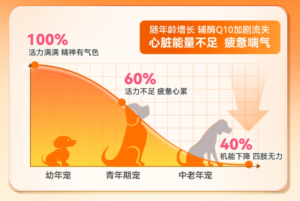
If your dog tires after a few steps, pants often, sleeps longer, or coughs at night, that is not laziness — it is the heart asking for help. Canine heart-disease risk climbs steeply with age (about 10% at 5–8 years, 30% at 8–10, and 45% past 13), which is why CoQ10 is a staple for senior and small-breed care. This guide explains how to judge real value instead of falling for 'cheap' placebos or overpriced imports.
Pet CoQ10 Buying Guide: Look Past the Marketing
Middle-aged and senior pets, overweight animals, and heart-prone breeds such as Ragdoll and Siamese cats, Toy Poodles, Pomeranians, and Cavalier King Charles Spaniels are the ones most likely to need CoQ10. Yet the market is full of products that promise 'high content' with little to back it. This guide cuts through the marketing with the selection criteria that actually matter and the mistakes that waste your money.
Choosing a Pet CoQ10: Skip the Hype, Pick What Works
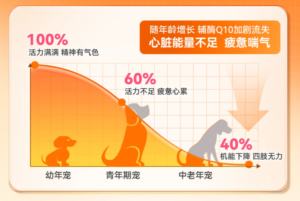
As pets reach middle and old age, heart care becomes unavoidable — especially for overweight cats and dogs and for breeds prone to heart disease such as Siamese and Ragdoll cats, Toy Poodles, Pomeranians, and Cavalier King Charles Spaniels. CoQ10 is a core heart nutrient and appears in veterinary cardiac plans, but the crowded market makes choosing hard. This guide explains what CoQ10 does and the three points that separate a working product from a hype-driven one.

Is Inhalation Anesthesia Safe for Dogs?
Dogs are usually anesthetized by inhalation or injection, and inhalation anesthesia is generally the safer choice because it places less burden on the organs. It costs more, though, and its effect is shorter, so it is less suited to very long surgeries where the dog might wake and struggle. Any anesthesia carries risk because it depresses heart, lung, liver, and kidney function, so the method should match the dog's pre-operative readings and health. Dogs with metabolic or liver and kidney issues are often better with inhalation. Watch for post-anesthetic reactions like acute kidney failure, irregular heartbeat, temperature swings, and airway blockage in flat-faced breeds.

How Long Can a Dog Survive Heartworm
How long a heartworm-infected dog lives depends on infection site and severity, the dog's age and health, and how effective treatment is. Mild cases often recover with medication, while moderate to severe ones may need risky surgery. With proper treatment a dog can live for years; without it, death may come in weeks to months. Seek a vet promptly for diagnosis and care.

CoQ10 for Dogs: Is It Worth the Hype?
CoQ10, or ubiquinone, is a fat-soluble compound that powers the heart and other high-demand organs through mitochondrial energy metabolism. Far from a gimmick, veterinary studies show it can improve heart function in dogs with mitral valve disease and congestive heart failure. This guide explains what CoQ10 does, why it is not a scam, which dogs benefit most, and how to supplement safely—including the drugs it must not be mixed with. It supports care but never replaces prescription heart medication.

Australian Spotted Arowana
The Australian spotted arowana (Scleropages leichardti) — also called the spotted barramundi or northern saratoga — is a large, nocturnal, fiercely aggressive arowana from eastern and northern Australia. A carnivorous tank boss that needs a big aquarium, soft acidic-to-neutral water, and careful, varied feeding.

Razor-backed Musk Turtle
The Razor-backed Musk Turtle (Sternotherus carinatus), affectionately called the 'razor' or 'little razor,' has a uniquely keeled, roof-like carapace. A common and easy musk turtle, it is active and interactive with keepers.