Search Results
198 results for “Cat Health, Fever”
Is Feline Leukemia Contagious? What Every Cat Owner Should Know
Feline leukemia (FeLV) is contagious — but only between cats and other pets, never to people. It's a retrovirus spread through saliva, nasal fluid, urine, and milk that weakens the immune system. There's no cure, so prevention matters: vaccinate kittens, keep cats away from strays, and test and isolate any new cat for two weeks.
Does Your Cat Really Need Annual Booster Vaccines?
Core cat vaccines are the FVRCP combination and rabies. After the first series, you don't have to boost every year — titer testing can show if protection is still strong, and low-risk indoor cats may go 3 years between boosters. Always vaccinate at a licensed clinic and watch for reactions afterward.
Is a Dry Cat Nose a Sign of Illness? Don’t Panic — Here’s What It Means
A dry nose doesn't automatically mean sickness — a normal cat nose is cool and moist, but it dries out after sleep, exercise, in dry/ hot air, with age, or in flat-faced breeds (Exotic Shorthair, Persian) that can't lick it. Worry only if the nose stays dry with cracks or scabs (skin disease, autoimmune issues, B-vitamin lack), or if it's hot with a fever over 39.5°C plus lethargy. Keep the room at 40–60% humidity and watch appetite and temperature.
How to Check If Your New Puppy Is Healthy
Check a new puppy in five steps: mental state (curious, not lethargic), appetite (eating within a day or two), temperature and breathing (38–39°C; over 39.5 is fever, under 37.5 hints at low sugar or shock; 20–30 breaths/min at rest), and stool/urine (formed brown, no blood or diarrhea). Also scan coat, gums, ears, eyes, and gait.
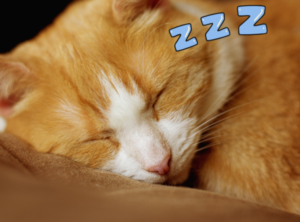
Is It Normal for a Cat to Sleep All Day?
It's normal for a healthy adult cat to sleep 15–20 hours a day (kittens and seniors even more). Most of that is light dozing — only 20–30% is deep sleep. If your cat wakes cheerful and eats normally, don't worry; but sudden lethargy with appetite loss, weight loss, fast breathing, or hiding needs a vet.

Cat Perianal Fistula: Symptoms and Treatment
Signs of a perianal fistula include swelling around the anus, frequent licking, bloody or pus-like discharge, straining to defecate, and a foul odor. Mild cases may respond to medication; severe or stubborn ones need surgery, followed by vet-guided wound care and a fiber-adjusted diet.

Common Side Effects After Cat Vaccination and What to Do
Mild reactions after a cat's vaccination—low fever, tiredness, poor appetite—are normal and usually fade in 1–3 days as the body builds antibodies. Watch for serious signs like facial swelling, vomiting, or breathing trouble and head to the vet; keep the cat calm, hydrated, and away from other cats for a week.

How to Prevent Rabbit Hemorrhagic Disease (Rabbit Fever)
Preventing rabbit hemorrhagic disease relies on four pillars: management, vaccination, cross-infection control, and emergency response. Strict sanitation, regular single-strain vaccination, quarantining new rabbits, and banning visitors and stock from infected areas sharply cut outbreak and death rates.
100 Essential Tips Every New Cat Owner Should Know
Bringing home a first kitten is exciting but daunting, and poor care can hurt both of you. These 100 essentials cover diet (life-stage food, toxic grapes/chocolate/onion/garlic, no bones or raw meat, fresh water), daily care (brushing, nail and ear cleaning, litter hygiene, n+1 boxes), health (vaccines at 8–12 weeks, deworming, normal temperature 38–39.2°C, spay/neuter, no human meds), behavior (slow blinks, tail talk, no punishment), and home safety (screens, hiding wires, toxic plants, no smoke). Read them once and you'll share a calmer, healthier life with your cat.

Is It Normal for a Cat’s Ears to Feel Hot?
A cat's normal body temperature runs a little higher than a human's, so ears that feel warm to the touch are usually normal. But ears hotter than usual can signal a problem—stress or anxiety, a respiratory infection, ear inflammation, or simply a warm room. To decide whether it's normal, look at the whole picture: lethargy, reduced activity, poor appetite, or red, smelly, discharging ears all call for a vet. A quick nose check and a thermometer (normal 38–39.5°C; above 40°C needs prompt care) will confirm a fever.