Search Results
96 results for “Cat Health, Anemia”

Cat Anatomy and Nutritional Requirements
A cat's body has nine notable parts (limbs, eyes, teeth, paw pads, nose, tongue, claws, whiskers, ears), and its diet needs core nutrients: protein, fat, carbohydrates, water, crude fiber, magnesium, calcium, phosphorus, and taurine. As obligate carnivores, cats need animal-source nutrition.

Cat Deworming: Methods and Timing
Parasites are among the few cat illnesses you can actually prevent. A regular deworming schedule protects your cat — and since many parasites are zoonotic, it protects you too. Here is what to know about internal and external parasites and when to treat.

Do Cats Have Blood Types?
Cats have three blood types — A, B, and AB — defined by proteins on the red cell surface. Knowing a cat's type matters because the wrong transfusion can trigger a fatal reaction, so typing and cross-matching always come first.

What Parasites Live Inside Cats
Cats can harbor several internal parasites, each with its own tell-tale signs. Roundworms, hookworms, filarial worms, and tapeworms differ in appearance and symptoms but all deserve prompt attention. A regular deworming routine is the simplest way to protect your cat's health.
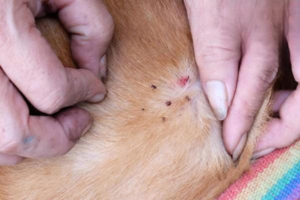
Do Cats or Dogs Have More Parasites?
Cats and dogs share most parasites, so neither has 'more'; the load depends on environment and health. Roundworms, hookworms, tapeworms, and others cause real harm, and a regular deworming schedule keeps them down.

Symptoms of Hepatitis in Dogs and How to Treat It
Canine hepatitis commonly shows up as loss of appetite, lethargy, digestive upset, weight loss, and anemia. Treatment targets the underlying cause and combines medication to support bile flow with a balanced diet and steady at-home care.

Pet Skin Diseases (Part 1): Parasitic and Fungal Infections
Skin disease is common in dogs and cats and tends to flare up and recur, usually because their skin defenses are weak and their surroundings are full of triggers. The two hardest types to clear are external-parasite infestations (fleas, lice, mites, ticks) and fungal infections (ringworm); both cause intense itching, hair loss, and skin damage and need treatment of both pet and environment. Since they are contagious and slow to resolve, early veterinary care and consistent parasite control are the keys to recovery.

Internal Parasites in Dogs and How to Treat Them
Deworming isn't only for dogs that show worms in their stool — by then the body is already full of eggs. Common internal parasites include roundworms, tapeworms, hookworms, pinworms, heartworms, and toxoplasma, each with distinct symptoms and routes of spread; a vet confirms and prescribes the right treatment.

What to Feed a Chow Chow
A Chow Chow does best on a varied diet of meat, vegetables, and fruit rather than a single food day after day. Lean chicken, pumpkin, cabbage, and apples are all safe, nutritious choices that support digestion and overall health.

What to Feed a Chihuahua
A Chihuahua thrives on age-appropriate kibble supplemented with canned food, dog-safe vegetables, lean meats, and enough calcium for its small frame. Match portions and nutrients to its life stage, and avoid people food that drives allergies and obesity.