Search Results
62 results for “Cat Eye Swelling”
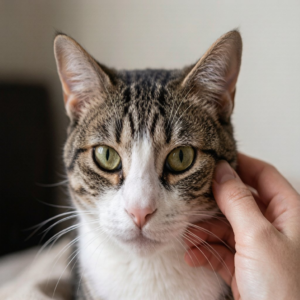
Cat Eye Swelling and Tearing: A Recovery Case
A cat with one swollen, tearing, discharging eye—but no sneezing or runny nose—most likely has a bacterial conjunctivitis rather than a viral one. Ingrown eyelashes or a foreign body can be the trigger. Oral amoxicillin plus antibiotic eye drops, an E-collar, and a dim, clean environment brought clear improvement in a few days. An ingrown lash, though, needs a vet to remove.
Why Do Cats Get Entropion
Entropion is when the eyelid folds inward so the lashes rub the eye, causing pain, discharge, and even corneal damage. Causes include breed conformation, spasms, sunken eyes, or injury. Surgery is the lasting fix; mild cases may be temporarily stitched.
How many days until a kitten opens its eyes?
Kittens open their eyes about a week after birth. Their new eyes are fragile, so keep the area clean and gently remove discharge with saline.

Causes and Treatment of Eyelid Entropion in Dogs
Eyelid entropion is a common eye problem in dogs, often caused by genetics and eye disease. The right treatment depends on how severe it is, and with proper care it can be controlled and managed. Mild cases are usually treated with medication, while severe entropion needs timely surgery. Keeping the eyes clean helps reduce the chance of entropion developing.
What Are the Symptoms of Dry Eye in Dogs?
Dry eye, or keratoconjunctivitis sicca, happens when a dog's tear film produces too few tears or they evaporate too quickly, leaving the eye surface dry, scratched, and vulnerable. It can stem from genetics, hormone imbalance, infection, drug side effects, or injury. Telltale signs include dry, itchy eyes, redness and swelling, frequent blinking or pawing at the face, increased discharge, dulled vision, and even lost appetite from discomfort. Left untreated, it can lead to infection or blindness. A vet confirms it with a tear test (STT) after ruling out conditions like conjunctivitis or corneal ulcers. Treatment ranges from artificial tears, tear-stimulating drops, and antibiotics to physical care such as warm compresses, and in severe or unresponsive cases, surgery like parotid duct transposition. Catching it early protects both comfort and sight.
What to Do About White Discharge in Your Cat’s Eye
White discharge usually signals an eye infection such as conjunctivitis, keratitis, or blepharitis, so identify the cause early. Discharge at the corner often means conjunctivitis—check for sneezing, runny nose, or fever, which point to a viral infection needing a vet; a white film over the eye needs prompt clinic care. At home, clean gently with saline, apply pet-specific antibacterial drops (neomycin sulfate, chloramphenicol, levofloxacin), boost vitamins A and C, and keep the environment clean. If no improvement in a few days, see a vet.
Does Abdominal Fluid in Cats Always Mean FIP?
Fluid in a cat's abdomen, or ascites, is a sign—not a diagnosis. It can stem from liver or heart disease, kidney failure, malnutrition, or peritonitis caused by infection, viruses, or injury, and only one of those causes is feline infectious peritonitis (FIP). Because the symptom alone cannot confirm FIP, diagnosis needs bloodwork, imaging such as X-ray or ultrasound, and viral testing. If your cat shows a swollen belly, lethargy, fever, or breathing trouble, see a veterinarian promptly to find the real cause.
What Causes Feline Rhinotracheitis (Cat Flu)?
Feline rhinotracheitis, commonly called cat flu, is one of the most frequent infectious diseases in cats. A cat can look healthy at the breeder yet sneeze, runny nose and weepy eyes days after coming home - because the culprit herpesvirus lies dormant in nerve cells and flares when environment or nutrition changes. Importantly, cat flu is not caused only by herpesvirus; calicivirus, chlamydia, mycoplasma and Bordetella are also agents. This article explains what cat flu is, its varied causes, and how to tell the agents apart by symptoms - always confirm with a vet.

Why Does My Cat Have Uneven Eye Size?
A cat with one eye larger than the other is common and can be genetic, but if it appears later it usually points to irritation, inflammation, feline herpes, injury, or heat. The right response depends on the cause, so judge by the situation. If a foreign object is the culprit, gently clearing it often restores the eye quickly. Eyelid inversion may need surgery, so see a veterinarian. Other causes include eye disease such as conjunctivitis or keratitis, feline rhinotracheitis with discharge and sneezing, trauma, and diet-related heat that responds to lighter food and more water.
Cat Upper Respiratory Infection: Symptoms and Treatment
A cat upper respiratory infection is inflammation of the mucous membranes of the upper airways. Affected cats typically cough, sneeze, and have a runny nose, sometimes with yellow nasal discharge, and a sudden drop in temperature, poor nutrition, or stress can trigger an outbreak. The usual culprits are viruses such as herpesvirus and calicivirus, bacteria such as Chlamydia, and fungi such as Cryptococcus. This article covers the common pathogens, how viral, bacterial, and fungal infections differ in their signs, what else can mimic these symptoms, and the supportive care and medications veterinarians rely on to treat them, from keeping the eyes and nose clear to antiviral, antibiotic, and antifungal therapy.