Search Results
189 results for “Cat Care, Kitten Health”

What to Know Before Buying a Pet Cat
Before buying a cat, confirm its vaccine history and get the record book so you can keep shots current. Buy from a proper shop rather than street sellers, choose a 2–3 month-old kitten still with its mother's immunity, and pick a naturally good-tempered cat that tolerates handling.

Why a Kitten May Have High Internal Inflammation
Inflammation is the body's defensive response to irritation — infection, injury, parasites, or organ disease — and shows as fever, redness, pain, and poor appetite. Find the underlying cause with veterinary testing, treat it specifically, and rely on regular checkups to catch problems early.

What Are the Causes of Cat Vomiting?
What to do when a cat vomits? Observe what the cat threw up, how much, the color, when it happened, and its mental and drinking state, as well as how many times it vomited. Let's look at the causes of cat vomiting.

Why Catteries Refuse On-Site Visits
Many buyers ask to visit a cattery in person, and many catteries decline. Why are they so aloof, and why won't they allow visits?
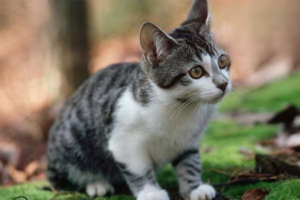
How to Pick the Kitten You Really Want
If you're ready to get a cat, first set your budget. Don't chase low prices—a cat stays five years or more, so a healthy, good-looking one matters most.

Precautions for Deworming Your Cat
To deworm, first know how cats get parasites. Deworming is key to health, especially for newborns. Here are the precautions.
Early Symptoms of Feline Panleukopenia (Cat Distemper)
Many new owners know cat distemper is scary but not its specifics or treatment. Here's an introduction.
Home Treatment for Feline Rhinotracheitis (Cat Flu)
As pet care becomes scientific and vet medicine matures, treating cat flu is easier. With a scientific plan by symptoms, it heals fast. Here's its impact and treatment.

What to Do About Everyday Cat Shedding
Cat owners all fret over shedding—especially in spring the cat becomes a 'walking dandelion.' Some even roll the loose fur into balls.

What If Your Cat Still Has Soft Stool After Deworming?
Soft stool has many causes: irritating or overeaten food (fragile kitten guts cause poor digestion, soft stool, even diarrhea), parasite infection, early feline distemper, etc. Owners can first give some probiotics to settle the gut.