Search Results
402 results for “Cat Care, Behavior”
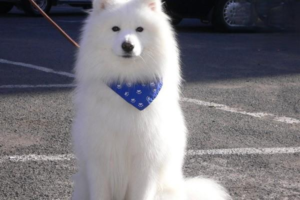
Why Dogs Get Puffed-Up Fur (Raised Hackles)
When a dog is angry, scared, or thrilled, the fur along its back may stand up—a reaction called piloerection, or 'raised hackles.' The fur around the neck is special: it has a strong self-restoring ability, so even after a long episode, it returns to normal once the dog calms; other body areas lack this. Some breeds show it more, some less, and the extent varies—neck only, neck-to-rump, or tail. A special muscle attached to the follicles pumps air between hairs to create the effect, and it is involuntary, part of instinct. The purpose is to look bigger, like cats, porcupines, and pufferfish. You can even read a dog's mindset from the pattern: a narrow band from neck to tail means confidence (and a higher chance of initiating attack); three-quarters of the neck raised means insecurity; neck and tail raised but the middle calm means confusion—the best moment to build trust.

A Complete Guide to Pet Spay and Neuter Surgery
Spaying or neutering is one of the most responsible decisions a pet owner can make. For dogs and cats, the ideal window is around 6 to 8 months of age, ideally before the first heat cycle, which lowers the risk of reproductive diseases and unwanted behaviors. The procedure should only be performed on a healthy animal that is fully vaccinated, has adequate antibody levels, and is regularly dewormed. Once you choose a trusted veterinary clinic, you can book the surgery and share your pet's age, vaccination, and deworming history. The clinic will explain pre-operative fasting rules. This guide walks you through the timing, preparation, and the step-by-step process on the day of the operation so you know exactly what to expect.

What to Do If a Guinea Pig Bites You
If a guinea pig bites you, wash the wound thoroughly with warm water and soap to remove saliva and bacteria, gently squeeze out a little contaminated blood if it bleeds, then press with a bandage to stop bleeding and disinfect with iodine or alcohol. Seek medical care for deep or facial wounds. To prevent future bites, learn the trigger—defense, pain, fear, stress, or lack of socialization—and address it with gradual handling, a stimulating environment, and respect for the animal's individual boundaries.

What Are the Symptoms of Epilepsy in Dogs?
Epilepsy is a condition marked by repeated seizures that can range from brief, mild episodes to severe ones that last a long time and recur often. Because seizures take many forms and can be triggered by a wide range of underlying diseases, spotting the four key signs helps dog owners respond correctly. A seizure may be generalized, causing a dog to collapse and paddle with no awareness of its surroundings, or focal, affecting only one part of the body. Dogs often show subtle restlessness beforehand, and may seem confused and unsteady afterward. Many illnesses can cause seizures, so a vet must rule out each one. Most seizures are not immediately dangerous, but any episode lasting over five minutes needs emergency care.

Can a Guinea Pig Cold Heal on Its Own?
A guinea pig cold rarely clears by itself. Unlike a human cold, it comes from different pathogens and the animal's immune defense is weak, so treatment is usually needed to ease signs and aid recovery. Symptoms are sneezing, clear nasal discharge, more eye discharge, lost appetite, and low spirits. See a vet early for diagnosis and the right antibiotics or supportive care; keep the cage warm and clean, offer vitamin-C-rich easy food, and ensure fresh water. Never medicate on your own, as wrong drugs can harm the pig.

Four Pompon
The Four Pompon is a variety of goldfish with the classic Wen-style body shape. Its most distinctive feature is four enlarged, fluffy nasal pompons that set it apart from other goldfish. It shares the same general habits as common goldfish and is relatively easy to keep.
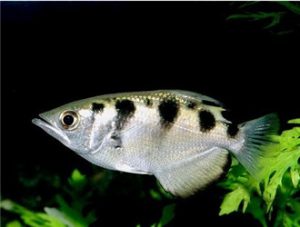
Archerfish
Also known as the 'Spray Gun Fish,' the archerfish is a classic brackish-water species commonly found in aquarium shops at affordable prices. Its distinctive bulging eyes allow it to see not only surface objects but also aerial targets above the waterline.
Hatchetfish
Also known as the Swallow Fish, Chest-Knife Fish, or Sternoptyx, the hatchetfish is a group of unusually shaped small freshwater fishes. Its body is extremely laterally compressed with a greatly protruding belly, giving it the silhouette of an ancient stone axe—hence the name.

Japanese Macaque (Japanese Pocket Monkey)
The so-called 'Japanese pocket stone monkey' sold in the pet trade is in fact a young Japanese macaque (Macaca fuscata) infant. Wild-caught or illegally traded individuals adapt poorly, carry zoonotic disease risks, and keeping primates as pets is strongly discouraged on welfare and legal grounds.

Guinea Pig
The Guinea Pig (Cavia porcellus), also called the cavy, is a gentle South American rodent kept worldwide as a pet. It needs a roomy cage, a bottle, and — unlike many rodents — a diet with added vitamin C: grass hay, guinea-pig pellets, and fresh vegetables. Its teeth grow for life, so fibrous food is essential.