Search Results
5279 results for “Can f 5”

Canine and Feline Ectropion: Symptoms, Treatment, and Prevention
Ectropion is the outward turning of the eyelid—usually the lower lid in dogs—leaving the eye exposed and prone to conjunctivitis and keratitis. Mild cases need eye care; severe cases need surgical correction.

Canine and Feline Entropion: Symptoms, Treatment, and Prevention
Entropion is the inward rolling of the eyelid edge in dogs and cats, making lashes scrape the cornea and cause tearing, conjunctivitis, and ulcers. It is often surgical, especially in breeds like Shar-Pei and Chow Chow.

Acanthosis Nigricans (Black Skin Disease) in Dogs and Cats: Symptoms, Treatment, and Care
Acanthosis nigricans is a skin syndrome of itching and friction leading to thickened, darkened skin, seen mainly in certain dog breeds. Causes include allergy, hormonal imbalance, and obesity, and care combines itch relief, diet, and anti-seborrheic care.

Canine and Feline Dermatitis: Symptoms, Treatment, and Prevention
Dermatitis is inflammation of the skin in dogs and cats from parasites, allergy, infection, or trauma, causing itch, swelling, and crusting. Treatment removes the cause and controls inflammation locally and systemically.

Canine and Feline Eczema (Moist Dermatitis): Symptoms, Treatment, and Prevention
Eczema is a superficial skin inflammation in dogs and cats driven by allergy and weak skin defense, producing redness, vesicles, hair loss, and crusting. It is managed by relieving itch, calming inflammation, and keeping the environment clean.

Canine Pyoderma: Symptoms, Treatment, and Prevention
Pyoderma is a bacterial skin infection in dogs, usually from Staphylococcus or Streptococcus, most often secondary to another skin problem. It causes pustules, crusting, and hair loss, and is treated with culture-guided antibiotics plus skin care.

Feline and Canine Eosinophilic Granuloma Complex: Symptoms, Treatment, and Care
Eosinophilic granuloma complex is a group of allergic skin lesions in cats and dogs, causing ulcers, plaques, or linear nodules on the lips, thighs, or mouth. The exact cause is unknown, and treatment controls inflammation and prevents infection.
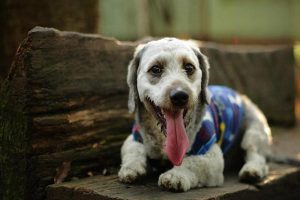
Canine Self-Biting (Acral Self-Trauma) Syndrome: Symptoms, Causes, and Care
Self-biting syndrome is a compulsive behavior in dogs that leads to biting of the tail, limbs, or body, causing wounds and infection. It stems from parasites, nutritional gaps, allergies, or anxiety, and requires both behavior and medical management.

Canine Mucinosis (Shar-Pei): Symptoms, Treatment, and Care
Canine mucinosis is a hereditary skin disorder of Shar-Pei dogs in which connective-tissue cells overproduce mucin, causing fluid-filled swellings or papules. It is not contagious and is managed with anti-inflammatory and supportive skin care.

Canine and Feline Interdigital Pyoderma: Symptoms, Treatment, and Prevention
Interdigital pyoderma is a painful bacterial infection between the toes of dogs and cats, causing swelling, redness, moisture, and foul odor, sometimes with draining tracts. It often follows a moist environment, mites, or blocked follicles, and needs thorough cleaning plus veterinary-directed antibiotics.