Search Results
5271 results for “Can f 5”

Can You Brush Your Dog’s Teeth With Human Toothpaste?
Never brush a dog's teeth with human toothpaste. Many human formulas contain ingredients toxic to dogs, especially fluoride and xylitol. Dogs swallow the foam instead of rinsing, so toxins build up: fluoride can cause vomiting, diarrhea, irregular heartbeat, and over time kidney and nerve damage, while xylitol is far worse, just 0.1 g per kg of body weight triggers severe low blood sugar and 0.5 g/kg can cause acute liver failure. Mint flavors also make dogs resist brushing. Use a pet toothpaste (look for VOHC approval), brush at least three times a week, and see a vet for red, bleeding gums or worsening breath, which may mean periodontitis.

Can Chinchillas Be Neutered?
Chinchillas can be neutered, ideally before sexual maturity: males around 4-6 months and females around 5-7 months. Neutering controls breeding, calms aggressive or territorial males, and lowers a female's risk of uterine disease and mammary tumors. The procedure is less established in some regions, so choose an experienced veterinarian or a well-equipped hospital, and expect a health check first. Chinchillas are prolific breeders that can mate again within 24 hours of birth, so for pets you do not plan to breed, neutering or strict separation of sexes is the safest approach.

Dog at 7 Is Like a Human at 50: Early Signs of Senior Dog Diseases
At 7, every dog, large or small, has entered its senior years and organs start declining faster. Studies show kidney filtration drops 12-18% and joint cartilage wears three times quicker after 7. Many early signs get mistaken for "normal aging" and missed. Watch for osteoarthritis (stiff rising, hesitant stairs, liking soft beds), dental disease (red bleeding gums, loose teeth, bad breath, favoring soft food), chronic kidney disease (drinking and urinating more, later ammonia breath and weight loss), and cognitive dysfunction (getting lost at home, night waking, forgetting house-training). These diseases can't be cured, but early action slows them and extends life.

Woken by Dog Barking at 5 a.m.? How to Fix Early Morning Barking
A dog barking at first light isn't misbehaving on purpose; it follows a behavior logic. A 2023 canine vocalization report found over 73% of early barking ties to instinct, environment, or unmet needs. Causes include a built-in circadian clock (some energetic breeds' melatonin drops 30% faster), basic needs like hunger or a toilet break, and outside sounds like garbage trucks that a dog's sharp hearing catches. The fix is positive guidance plus removing rewards: shift the dog's schedule later, tire it out before bed, darken the room and use white noise, desensitize to triggers, and completely ignore barking until it is silent for 30 seconds. The process takes days to weeks, so don't give in midway.

Can Cat Flu Leave Lasting Effects After Recovery?
Feline rhinotracheitis (cat flu), caused by feline herpesvirus FHV-1, cannot be cured—the virus hides for life in the trigeminal ganglion and can reactivate whenever the cat is stressed, the season changes, or immunity dips. Most cats recover and live normally, but some are left with mild, manageable effects: a sensitive nose that drips in cold or dusty air, heavier tear staining from narrowed tear ducts, or—in high-risk cases—repeated flare-ups that can progress to chronic bronchitis or pneumonia. Good care (warm stable surroundings, humidity control, stress avoidance, balanced nutrition with lysine and vitamins, and regular vaccines) keeps recurrence rare. This article explains the sequelae, why only some cats get them, and how to minimize repeat episodes.

Can Swimming Help a Dog with a Luxating Patella?
A luxating patella—the kneecap slipping out of its groove—is common in small and toy breeds and can cause pain and limping. Swimming is often recommended by veterinarians as part of conservative care because water’s buoyancy supports the body and builds hind-leg muscle without loading the joint. However, swimming is therapy, not a cure: the condition is structural (loose ligaments, a shallow groove, or poor alignment) and cannot be reversed by exercise, medication, or massage. Whether swimming helps depends on the grade—mild cases benefit, while severe grades can be made worse. This article explains the condition, how water therapy fits in, which grades should swim and how, and the daily supports (fish oil, chondroitin, avoiding jumps) that protect the joint.
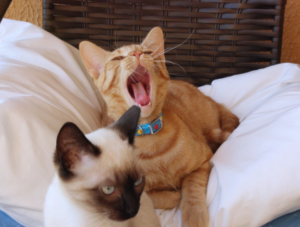
Yes, Cats Get Jealous: 5 Signs to Watch For
Cats may look aloof, but they do feel jealousy, rooted in a strong sense of ownership. When a new pet arrives or you focus on another animal, a cat may fixate on the "rival" while emitting a low growl. Some cats act out by spraying, destroying things, or fighting; others go quiet, hide, and refuse food. That withdrawal reflects sadness and anxiety, and if ignored it can harm health, lowering immunity, causing weight loss, or triggering feline idiopathic cystitis. The good news is that jealousy means your cat cares; more one-on-one time and a slow introduction of newcomers resolve most cases.
Can All Dogs Swim? Breeds and Dogs That Should Avoid the Water
Not every dog is born for the water. The familiar “dog paddle” is mostly a panic response that keeps a dog afloat briefly—it doesn’t provide direction, endurance, or safety in currents and deep water, and many sedentary pets tire fast and risk swallowing water or panicking. That said, some breeds with broad chests, long legs, and good muscle—Labradors, Goldens, Poodles, Spaniels, Border Collies—adapt to swimming readily. Others are high-risk: short-nosed breeds (Pugs, French/British Bulldogs, Shih Tzus, Chow Chows) have narrow airways and front-heavy builds that make breathing and balance hard; long-backed short-legged breeds (Corgis, Dachshunds, Basset Hounds) struggle to stay level; senior, fearful, or ill dogs should also stay dry. Never toss a dog in—let it wade in shallow water and cap sessions at about 20 minutes.

How Long Can a Cat with Dementia Live?
Feline dementia (Cognitive Dysfunction Syndrome) does not kill directly, but its complications shorten life. Mild cases (occasional confusion, sleep disruption) often live 3–5 more years with good care; moderate-to-severe cases (loss of self-care, refusal to eat, disorientation) may survive only 2–3 years; if chronic kidney or heart disease is also present, just 1–2 years. Japanese clinical data show cognitive training and a stable environment can extend life by 47%. Watch for the DISH signs—Disorientation, Interactions lost, Sleep flips, House-soiling—and support the cat with a low-stimulus home, short brain games, and targeted nutrition.
Can I use tap water left standing overnight for my fish tank?
Tap water left out for only one night is still not safe for fish because the chlorine has not fully dissipated. Proper preparation takes at least three days of standing or a full day of sunlight.