Search Results
5271 results for “Can f 5”

Internal Parasites in Cats
Internal parasites are a common and potentially serious problem in cats, ranging from roundworms and hookworms to tapeworms and filarial worms. Left untreated, heavy infestations can stunt growth, cause anemia, and even prove fatal. Regular deworming is the most reliable way to keep them under control.

Why Your Cat’s Meow Suddenly Sounds Hoarse
A cat that suddenly loses its voice or sounds hoarse usually isn't in trouble, but the cause is worth understanding. Most cases come down to attention-seeking, stress, a mild upper respiratory infection, or something caught in the throat. Watch for other symptoms before deciding whether a vet visit is needed.

Physical Ways to Cool a Feverish Dog
Confirm a fever by temperature, mood, appetite, and a dry hot nose, then cool your dog with alcohol wipes and cool packs while a vet handles the cause. Physical methods ease discomfort but do not replace professional care for a serious fever.

How to Care for a Shiba Inu
Good Shiba care means feeding by life stage, house-training early using the dog's natural routine, varying walk times so the dog learns patience, and never sharing unsuitable human food. Consistent habits keep a Shiba healthy and well-behaved.

What If My Cat Licks the Dewormer?
If a cat licks a topical dewormer, contact a vet promptly — an Elizabethan collar after application stops licking. Dose strictly by weight, never add product to bath water, skip organophosphate flea collars, and watch stool and mood for 1–2 days.

Symptoms of Ear Mites in Cats
Ear mites cause relentless ear scratching, head shaking, and dark brown debris in the canal; untreated they invite bacterial infection and otitis. Clean the ears daily with a pet ear solution, deworm regularly, and keep the environment disinfected.

How Long After Distemper Is a Dog Safe?
Distemper incubates 3–5 days and, treated well, a dog can recover within about a week — after which another week is considered the safe window. Late-stage signs include collapse and seizures. Vaccination and a clean, dry kennel are the best prevention.

Does a Kitten Need Deworming?
Kittens do need deworming, but wait until about 2.5–3 months old unless a vet advises earlier. Parasites pass through the mother, food, and contact, so a post-weaning kitten exploring the world is at real risk. Use a broad-spectrum product and keep up monthly external protection.

Removing Fleas from Your Cat: Bathing, Combing, and Home Treatments
Fleas thrive in a cat's thick coat and can cause itching, skin damage, and disease. Combing, bathing with a flea shampoo, medicated dips, and a clean environment are the most reliable ways to clear them. A consistent preventative routine keeps them from coming back.
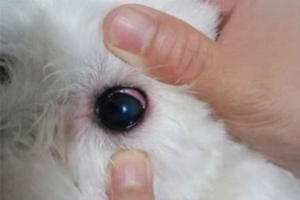
What Eye Drops Help a Dog’s Inflamed Eye?
Dog eye inflammation comes from dust, salty or heating food, ingrown lashes, a cold, or too much rich meat. Signs are tearing, red veins, and possible pus, and a vet eye drop plus diet fixes it.