Search Results
5271 results for “Can f 5”
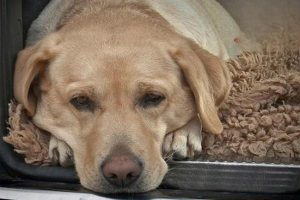
Bladder Spasm in Dogs and Cats
Bladder spasm is a non-inflammatory, cramp-like contraction of the bladder muscle or sphincter that disrupts normal urination. It is often triggered by stones or clots irritating the bladder. Relieving the underlying cause and calming the spasm restores normal voiding.

Cystitis in Dogs and Cats
Cystitis is inflammation of the bladder lining, usually from bacterial infection, causing painful, frequent urination with cloudy or blood-tinged urine. It is most common in female dogs and cats. Most cases respond well to antibiotics and supportive care, but a deep infection can become systemic.

Urethral Stenosis and Obstruction in Dogs and Cats
Urethral stenosis and obstruction occur when the urethra narrows or becomes blocked, preventing normal urination. Male dogs and cats are most at risk. A complete blockage is an emergency that can lead to bladder rupture, peritonitis, kidney failure, or uremia if not treated immediately.

Urethritis in Dogs and Cats
Urethritis is inflammation of the urethra that makes urination painful and frequent, with cloudy or blood-tinged urine in severe cases. It is usually caused by a bacterial infection ascending from the lower urinary tract. Veterinary treatment with antibiotics and supportive care resolves most cases.

Omphalitis (Umbilical Infection) in Dogs and Cats
Omphalitis is a bacterial infection of the umbilical stump in newborn puppies and kittens, causing inflammation, discharge, and sometimes tissue death. Left untreated it can spread through the body and become life-threatening. Good hygiene at birth and prompt veterinary care prevent serious complications.

Urethral Injury in Dogs and Cats
Urethral injury in dogs and cats is damage to the urethra from blunt force or trauma to the perineum and penis. Signs include penile swelling, difficult urination, perineal edema, and blood in urine; timely care prevents infection and complications such as urine leakage or bladder rupture.
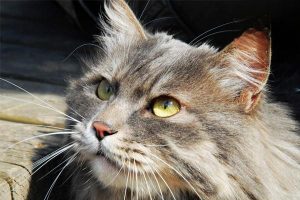
Agalactia in Dogs and Cats
Agalactia is insufficient or absent milk after birth, leaving puppies or kittens hungry, nibbling the mother raw, and at risk of starvation. It is managed by better nutrition, treating the underlying cause, and, when needed, medication to stimulate milk let-down.

Mastitis in Dogs and Cats
Mastitis is acute or chronic inflammation of the mammary gland from infection, often during lactation or from hormonal imbalance in older pets. Signs include red, swollen, painful glands and fever; it needs prompt antimicrobial and anti-inflammatory treatment to avoid gland loss.

Postpartum Eclampsia in Dogs and Cats
Postpartum eclampsia, or milk fever, is low blood calcium in nursing mothers that causes whole-body tetany, usually two to four weeks after birth in small or large-litter females. It is an emergency treated by correcting calcium and calming seizures; without care it can be fatal in one to two days.

Postpartum Septicemia in Dogs and Cats
Postpartum septicemia is a whole-body infection from severe uterine or vaginal infection after birth, often due to a dirty environment or retained placenta. Signs include refusal to eat and rapid fever above 40 C with cold skin, and urgent antimicrobial and supportive care is required.