Search Results
5281 results for “Can f 5”
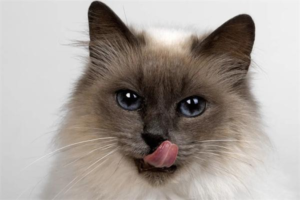
Why Does My Cat Like to Sleep Next to Me?
A cat may curl up next to you for several reasons: warmth, a sense of security, social bonding, access to resources, and marking territory. Cats like warm, safe spots, and your body heat provides comfort - one reason they snuggle close. They may also be leaving their scent on you to claim you as theirs.
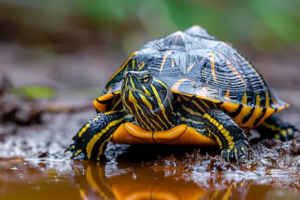
What Are the Common Diseases in Aquatic Turtles?
Common aquatic-turtle diseases—shell rot, colds, digestive illness, parasites, and white-eye disease—usually stem from poor feeding, dirty food, or bad water. Manage water quality and diet, keep the habitat right, and feed clean food to cut risk. Each condition has distinct signs and a targeted treatment, from shell cleaning to warm-water isolation.

How to Feed a Guinea Pig at Every Life Stage
Guinea pigs are herbivores needing grass, greens, and water. Babies rely on mother's milk, then start grass around day 10. From 3–6 months they need more hay to wear teeth; adults need balanced hay, veg, and fruit; seniors need soft, nutritious food and extra vitamin C.
How long do Siamese cats live?
A captive Siamese cat lives on average 10-15 years, and with proper feeding can reach 20. Lifespan depends on feeding method, diet, and constitution, so provide complete nutrition and keep up with vaccinations and deworming.

Are Hairless Guinea Pigs Hard to Care For?
Hairless guinea pigs are trickier because they lack fur protection and catch cold easily. Keep them at 20–25°C with added humidity, clean them with a damp cloth, check their skin often, and give space and social time with other guinea pigs.

Why Is My Cat Dry-Heaving but Not Vomiting?
Dry heaving can come from hairballs, a throat or gut blockage, stomach illness, liver disease, food allergy, or parasites. An occasional gag may be minor, but frequent or lasting heaves need a vet; give hairball paste if fur is in the vomit.

Signs of a Highly Intelligent Dog
Smart dogs read your mood, imitate well, are easy to train, check in on walks, communicate simply, refuse unsafe food, and keep their distance from strangers. They learn fast and comfort you when you're down.

What to Know Before Adopting a Stray Cat
Before adopting, be sure you can commit to the cat for life—time, money, and vet care included. Prepare litter box, food, and bowls; once it settles, get a full checkup, vaccines, and deworming. Don't bathe it right away, and keep toxic plants and chemicals away.

Why Do Dogs Have Allergic Reactions After Vaccination?
Post-vaccine allergies can come from the dog's own sensitivity, vaccine quality (poor storage, adjuvants, antibiotics), or handling errors. Reactions often appear within 10 minutes, so clinics observe dogs afterward. Severe cases need prompt desensitization at a vet.

What to Do When Your Rabbit Keeps Chewing the Cage?
Rabbits chew cages for many reasons—boredom, teething, hunger, poor nutrition, discomfort, cage material, or hormones. They need room to move, and a small or bare cage breeds boredom and restlessness. Giving chew toys, regular food, balanced nutrition, space, and separating rabbits in heat stops the habit.