Search Results
5281 results for “Can f 5”

Why Is My Dog Suddenly Zooming Around the House?
A dog that suddenly bolts around the house may be reacting to diet issues, lack of exercise, anxiety, separation stress, fear, aging, or mating drive. Increase daily walks, keep feeding steady, and rule out medical causes if the behavior appears with no clear trigger.

Signs a Hamster Is Dying: What to Watch For
Before death a hamster often eats less, develops a dull rough coat, becomes lethargic, loses weight, grows stiff, or breathes rapidly. If you see these, offer glucose, keep it warm, and get it to a vet promptly—some hamsters also die suddenly from heart strain.

Chinchilla Behavior and Diet: Habits and Feeding Guide
Chinchillas are hardy, heat-sensitive rodents from the Andes that need a cool environment (8–22°C) and a hay-based diet. Feed mostly timothy and alfalfa hay to wear down continuously growing teeth, add a little pelleted food and fresh water, and limit sugary snacks.

What to Do When a Blood Parrot Fish Loses Its Red Color?
A blood parrot cichlid that loses its red color is usually responding to insufficient light, poor water quality, temperature stress, or an unbalanced diet. Restore vivid color by keeping the pH at 6.5–7.0, doing regular water changes, feeding color-enhancing food rich in astaxanthin and carotene, providing 2–3 hours of daily light, and holding the temperature near 28°C with swings under 2°C.
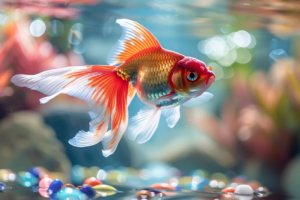
How to Treat Popeye in Blood Parrot Fish?
Popeye (exophthalmia) in blood parrot fish is most often caused by poor water quality and infrequent water changes, though injury or malnutrition can also contribute. Treat by isolating the fish, raising the temperature to 28–30°C, adding aquarium salt, doing daily partial water changes of about a quarter, and applying erythromycin eye ointment — with penicillin, chlortetracycline, or a dilute potassium permanganate rinse for severe cases.

Which Aquarium Fish Are the Most Interactive?
Interactive fish that recognize their owners and beg for food make aquarium keeping more rewarding. Oscars, giant gouramis, koi, flowerhorns, blood parrot cichlids, and puffers such as the zebra puffer are among the most personable species.

How to Care for Pet Turtles: Feeding and Husbandry
Choose food by species—most turtles are omnivorous but vary in preference—and feed in water every 3–5 days, clearing leftovers to protect water quality. Set up the tank by type (land, semi-aquatic, aquatic), use sunned tap water, add pebbles and plants, keep temperature near 25°C, and watch water quality and hibernation.

Signs of a Well-Behaved, Obedient Dog
A well-behaved dog obeys commands, stays close on walks, avoids mischief when alone, refuses food from strangers, and loves to be near its owner. Breeds like Golden Retrievers, Labradors, and Bichons are naturally gentle, and consistent training can make any dog better behaved.

Keeping Sea Turtles: Essential Care Requirements
Sea turtles need brackish water at the right salinity, warm temperatures of 25–28°C, a varied diet of seafood and greens, and a spacious tank with a basking area. Avoid hibernation by keeping water warm, feed every 2–3 days, and balance their diet to keep them healthy.

How to Bathe a Chinchilla? What If It Won’t Bathe Itself?
Chinchillas stay clean with a dust bath rather than water. Use chinchilla-specific volcanic-ash sand 2–3 times a week, give each pet its own bath container, and if a chinchilla won't bathe, guide it by sprinkling sand on its coat or letting it learn from a cage mate.