Search Results
5283 results for “Can f 5”

Signs Your Dog Is Unhappy
An attentive owner can easily read a dog's mood. An unhappy dog often won't move, grows anxious, turns irritable, or hides from the owner. Here are the signs in detail.

What to Do When Your Cat Zooms Around the House
Cats that dart around the house are acting on instinct. They sleep by day, and if they sleep too long, the built-up energy bursts out as a hunting-style sprint. Here is how to curb the zoomies.

Why Is Your Dog in Low Spirits?
A dog in low spirits is usually from unmet needs, neglect, feeling threatened, heat, or physical discomfort. A dog needs more than food — it craves attention, and long neglect easily lowers its mood. Here are the common causes.

First Aid for Common Dog Injuries at Home
At-home first aid for dogs covers scrapes, bites, burns, fractures, and sprains. Clean small scrapes with iodine, control bleeding and disinfect larger wounds, flush burns with cool water, immobilize fractures and rush to the clinic, and ice sprains then rest. Always use an Elizabethan collar and update the rabies vaccine after bites.

Rabbit Stress: Causes, Signs, and How to Avoid It
Rabbits are timid and sharp-eared, so strong or repeated shocks can stress them severely, even fatally. Causes include changed water or feed, weather, noise, light, moves, and strangers; signs are raised pulse and breathing, restlessness or hiding, refusing food, and does crushing or rejecting kits. Avoid stress with steady routines, fixed light, temperature control, quiet, and gradual feed changes.

Preventing Rabbit Myxomatosis
Myxomatosis is a near-always-fatal viral disease of rabbits spread mainly by mosquitoes and rabbit fleas that carry the virus from sick animals. Signs include conjunctivitis, widespread head swelling and a 'lion-head' face, breathing trouble, and jelly-like tumors; mortality exceeds 95%. Keep it out through strict import bans and quarantine of breeding stock.
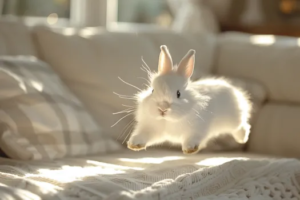
Rabbit Mycotoxin Poisoning: Symptoms and Control
Mycotoxin poisoning in rabbits comes from moldy feed, peaks in hot humid summer, and hits lactating does hardest with no contagion and poor drug response. Acute signs are appetite loss, irregular stools, staggering, and death in 2 to 4 days. Prevent it with strict feed storage and anti-mold additives, and treat by stopping the moldy feed and giving glucose, vitamins, and antifungal drugs.
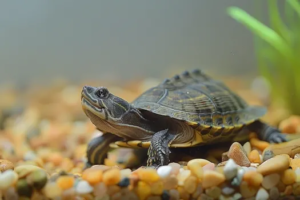
What Environment Suits a Pet Turtle?
Turtles are semi-aquatic, cold-blooded animals that breathe with lungs and live in lakes, ponds and rivers — active and feeding in water by day, foraging on shore at night, and very timid. Below 10°C they hibernate in mud or burrows until water rises above 15°C in April. They eat a wide diet (feed about 5% of body weight), and their color shifts with the habitat as natural camouflage.

Preventing and Treating Rabbit Pasteurellosis
Pasteurella multocida lives quietly in the nasal and tonsillar tissue of many healthy rabbits and strikes only when stress or poor husbandry lowers resistance, spreading through secretions and contaminated feed or water. Control it with strict sanitation, regular vaccination, and prompt antibiotic or antiserum treatment.

How to Read Your Dog’s Tail Language
A dog's tail shows emotion, but wagging alone is not enough — it can mean happy, scared, angry or confused. A horizontal big sweep with a curved body invites play; a lowered wag with a bark warns you off; a tucked tail signals fear, submission or pain; a stiff raised tail with a hard stare means hostility. Read the whole posture to understand your dog.