Search Results
5283 results for “Can f 5”

Common Factors That Make Arowana Sick
An arowana's health is closely tied to how it is kept. Poor feeding, fright, bad water changes, fighting, external infection, and overall poor water quality are the main triggers of illness. The single most important preventive measure is stable, clean water—use a filter and change water on a schedule.

Common Arowana Skin Diseases and Their Prevention
Common arowana skin diseases include scale melting, slime-coat shedding, and fin/tail rot—most stemming from poor water quality. Improve water and add aquarium vitamins for scale melting; use Japanese yellow powder for slime-coat loss; and rely on the 'old three' (heat, salt, water change) or medication for fin/tail rot.

Why Do Arowana Refuse to Eat?
Arowana may refuse food for many reasons—poor water quality, fright, temperature swings, environmental change, illness, improper feeding, or internal parasites. If the fish is otherwise active, refusal alone isn't alarming. Key fixes: stabilize pH (6–7.5), avoid sudden changes, and treat any underlying disease.
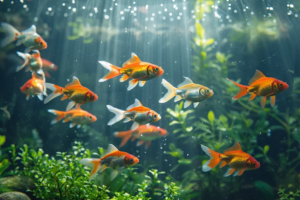
Symptoms and Treatment of Arowana Pinecone Disease
Arowana pinecone disease (raised scales), also called 'arowana cold,' is often triggered by large temperature swings during seasonal changes. Early signs are darkening, rough skin, and scales protruding outward; severe cases show swollen scale sacs with bloody fluid and ascites. Treatment starts with raising the temperature 1–2°C, adding salt (0.6–1%), and partial water changes; medication is added if no improvement.

Why Do Arowana Get White Spot Disease?
Arowana white spot disease (Ich) usually appears during seasonal changes when temperature fluctuates. The parasite—an Ich ciliate—thrives in low temperatures and dies in heat, so keeping the water temperature stable (26–33°C) is the key to prevention. Treatment is primarily raising the temperature by 2–3°C with aquarium salt and partial water changes.

Why Do Arowana Develop Dropsy?
Arowana dropsy is common during seasonal changes and is caused by prolonged high temperatures, poor or aged water, high organic loads, or bacterial infection. Symptoms range from blisters on the gill cover (usually non-fatal) to full-body blisters with severe infection and ulceration. Prevention centers on stable temperature and clean water; treatment uses antibacterial medication in food plus strict water management.

Why Dogs Bark Every Morning
Dogs usually bark first thing in the morning because they are hungry, thirsty, or need to relieve themselves after a night's wait. Establishing a fixed feeding and walking routine, plus teaching a puppy to use a designated potty area, prevents this from becoming a habit. Attention-seeking barking should be ignored until the dog settles.

Do Cats Need to Fast Before and After Deworming?
Generally, cats do not need to fast before or after an internal deworming treatment—the medication can even be mixed into food. Observe your cat for 4–6 hours afterward for side effects, avoid diet changes and baths around treatment, and follow the recommended deworming frequency based on age and lifestyle.

Common Parrot Eye Diseases and Their Treatments
Parrots commonly develop keratitis, conjunctivitis, and cataracts, usually from cage scratches, injury, infection, or nutrition gaps. Most are manageable with prompt cleaning, antibiotic drops, or surgery for cataracts, but prevention through a clean environment is best.

How to Tell If a Parrot Is Healthy
Choose a healthy parrot by checking bright clear eyes, glossy plumage, intact strong feet, loud penetrating vocalizations, and a clean living environment. Avoid birds kept in dirty conditions even if they look fine, as they may carry disease.