Search Results
5283 results for “Can f 5”

Why Is Your Turtle’s Shell Turning White?
A turtle's shell can turn white from normal shedding, shell rot, alkaline water, or calcium deficiency. Shedding needs clean water and no peeling; shell rot needs isolation and antibiotic ointment; water or calcium issues need pH control, sunlight, and vitamin D3.

Does a Rabbit Scratching Its Ears Mean Ear Mites?
A rabbit that keeps scratching or shaking its ears is often dealing with ear mites, but it could also be simple earwax or an insect bite. Check the ears: clean wax gently, or if mites are present, isolate the rabbit, clean and disinfect, and use an Elizabethan collar while treating.

Causes and Solutions for Dog Bloating and Gas
Occasional dog gas is normal, but constant bloating and flatulence deserve attention. Common causes are poor diet, lack of exercise, gut issues, or dangerous gastric torsion. Fix mild cases with portion control, walks, and probiotics; seek a vet at once if torsion is suspected.
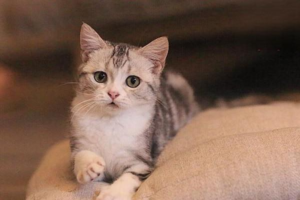
Why Do Cats Like Looking in Mirrors?
Cats don't pass the mirror self-recognition test, so a cat staring into a mirror likely sees a rival or playmate, not itself. Reactions vary—some ignore it, some curiously peek behind, some get defensive, and some attack. A tense reaction can signal strong territorial instinct.

Why Is Your Dog’s Nose Turning from Black to Pink?
A dog's nose usually turns pink from aging or temperature, but it can also signal disease. Causes range from genetics and vitiligo to dermatitis or abrasion. Improve it with vitamins, safe sun exposure, and seaweed powder—and see a vet if white patches or sores appear.

Why Is Your Blood Parrot Lying on the Tank Bottom?
A blood parrot resting on the tank floor can be normal (just napping), but it can also signal saprolegniasis or swim-bladder disorder. Rule out disease by checking water quality and behavior; treat fungus with isolation and salt baths, and swim-bladder issues with warmer water and regular changes.

How to Treat Saprolegniasis (Fungus) in Blood Parrot Fish
Saprolegniasis (also called cotton fungus) is a common skin disease in blood parrot fish, possible year-round. It starts from wounds or poor water quality that lets fungus take hold, and shows as white cotton-like growth. Isolate the sick fish, disinfect the tank, and treat with salt baths.

Symptoms and Treatment of Stomatitis in Dogs
Dog stomatitis is usually caused by infection of a wound in the mouth and needs prompt treatment, or the dog may struggle to eat and lose weight. Watch for drooling, red and swollen gums, and bad breath, then ease the diet to soft food, encourage water, keep the mouth clean, and see a vet if it worsens.
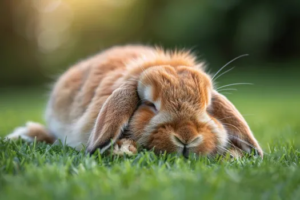
Why Does My Rabbit Have Cold Ears and No Appetite?
Cold ears in a rabbit usually mean its body temperature has dropped and it feels chilly — warm it up with a blanket and keep its environment at 18–24°C. If the ears are cold together with loss of appetite, an illness such as rabbit hemorrhagic disease, a cold or a serious condition may be lowering its temperature; watch for lethargy, sneezing, discharge or diarrhea and see a vet promptly.

Causes and Treatment of Turtle White-Eye Disease
White-eye disease is feared by turtle keepers; it mainly comes from poor water quality or weak immunity and should be caught early. Internal causes are frail constitution (hatchlings, poor husbandry, genetics); external causes are overcrowding and fouled, alkaline water. Mild cases soak in saline or nitrofurazone; severe cases need antibiotic soaks plus eye ointment; eye erosion needs vitamin B and oxytetracycline soaks. Act in spring and autumn when it peaks.