Search Results
5283 results for “Can f 5”

Why Are My Rabbit’s Ears Hot — Is That Normal?
A rabbit's normal temperature is 38.5–39.5°C, so warm ears are often normal — especially after exercise or in summer heat. Persistently hot ears, though, can signal a fever from a cold or risk of heatstroke.

Treatment Principles for Pet Tortoise Pneumonia
Tortoise pneumonia can be bacterial, fungal, viral, mycoplasma, or chlamydia — identify the cause first. Mild cases use gentamicin soaks, moderate cases amoxicillin, severe cases injectable antibiotics, with glucose fluids and vitamins as supportive care.
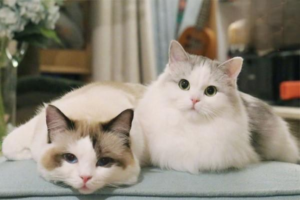
How to Care for and Clean Your Cat’s Eyes
Clean a cat's eyes with saline and soft cotton, wiping from inner to outer corner, and use a gentle cat eye drop from behind the head for clear discharge. Always be gentle, and avoid high-salt food that triggers excess eye discharge.
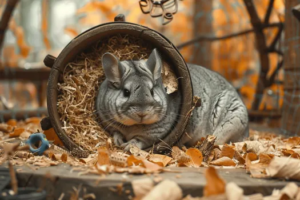
Emergency Measures for Guinea Pig Heatstroke
Guinea pig heatstroke needs fast action: move the animal to a cool, ventilated spot and cool it with ice (never pour cold water on it), then offer weak saline. Watch for heat-induced constipation and help it pass stool; keep easy-to-chew produce nearby, and improve cooling further if it still lies sprawled with its belly on the floor.
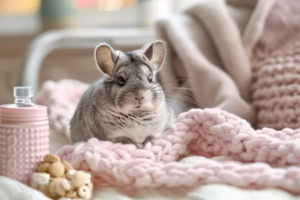
Common Bedding Options for Guinea Pigs
Common guinea pig bedding includes wood shavings, paper bedding, wood pellets, paper pellets, and pet pee pads. Choose by weighing absorption, odor control, safety if eaten, and cost — paper pellets offer the best overall balance, while wood shavings are cheapest but weaker on odor.
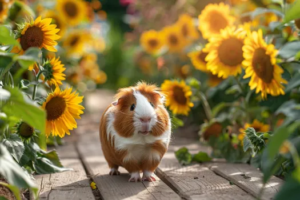
Causes of Anorexia in Guinea Pigs
Guinea pig anorexia comes from both internal and external factors. Internally, overgrown or misaligned teeth, mouth sores, vitamin C deficiency, obesity, pain, or certain medications suppress appetite. Externally, sudden feed changes, temperature swings, stress, and food competition among cage-mates can all trigger refusal to eat.

A Cat’s Physical Features and Behavior
A cat's body has five parts — head, neck, trunk, limbs, and tail — with padded, near-silent paws and sharp retractable claws. Cats are nocturnal, sleep 14–20 hours a day, are independent and fastidious self-groomers, and express mood through their tail and purring.

Why Does My Dog Snore So Loudly While Sleeping?
A dog may snore loudly because of sleeping position, excess weight, loose throat tissue, an illness, or simply its breed. Short-muzzled breeds snore by nature, while weight and illness are the fixable causes.

Causes and Treatment of Arowana Cloudy Eye
Arowana cloudy eye is mainly caused by poor water quality or bacteria (tuberculosis bacteria, vibrio) attacking the eye. Early cases need no drugs — the classic three methods work — while late-stage cases require antibiotics or a dedicated fish-eye medication.
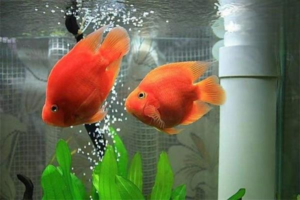
Why Is My Blood Parrot Cichlid Turning White?
A blood parrot cichlid turns white from cold water, poor water quality, or illness such as a cold, enteritis, or ich. Warm the tank to 25–28°C and keep water clean for environmental causes; use the right medication for disease.