Search Results
5279 results for “Can f 5”

Why Doe Rabbits Have Low Estrus and Conception Rates
Low doe estrus and conception come from poor feed quality or mineral gaps, wrong body condition (best about 80 percent fill), low buck semen quality from heat or drugs, too little light (does need 16 hours daily), and poor weather. Fixing the real cause beats repeated estrus powders.

Six Key Points for Breeding Rabbits in Summer
Summer breeding needs care: mate does below 25°C at cool times, keep bucks at about one mating a day, set first-mating age at 5 to 7 months by size, pair similar-aged adults, and use repeat or double mating to lift conception. Put the doe in the buck's cage, never the reverse.
False Pregnancy in Doe Rabbits
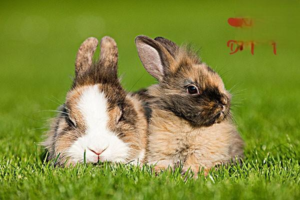
A false pregnancy makes a doe show nesting and swollen mammary signs without any kits, usually lasting 6–8 days and lowering your breeding herd's productivity. It is caused by an infertile or over-stimulating buck, uterine or vaginal inflammation, or the doe's own progesterone after ovulation. Good management, repeat or double mating, pre-mating checks, and timely re-mating keep it under control.

Why Do Rabbits Have Trouble Conceiving?
Poor conception in does usually traces to body condition (over-fat or under-fed), missing nutrients like vitamins A and B, poor light or temperature, reproductive disease, or weak bucks. Find the exact cause before treating — the autumn molt and old age also lower fertility.

Why Do Hamsters Fight Their Cagemates?
Hamsters are solitary by nature and rarely live peacefully with others; fights break out during a buck's constant heat, after a doe becomes pregnant, between same-sex pairs over territory, when food runs short, or when a sick or disabled hamster is picked on. The safest fix is one hamster per cage.

Things to Note for Autumn Rabbit Breeding
Autumn is a high-fertility season for rabbits, so prepare early: mate does below 25°C at cool times and in mid-to-late heat, keep first mating at 5–6 months by size, use prime adults, limit bucks to about one mating a day, hold condition and nutrition steady, and use teasers or an estrus powder for does that will not cycle.

European Hamster: An Introduction
The European (black-bellied) hamster looks like a common hamster but differs sharply in temperament. It is far larger — up to 34 cm and 900 g — nocturnal, fiercely solitary and wild, with strong territorial instincts and a true hibernation from October to March; it can live up to eight years and is now near extinction.

Why Does Nutritional Imbalance Lower a Doe’s Breeding Rate?
A doe's low breeding rate comes from three imbalances: too little feed (thin doe, weak endocrine, thin uterine lining, low conception, embryo loss), too much feed (fat doe, fatty oviduct, blocked egg and sperm meeting), and unbalanced feed — especially low protein under 15% and shortages of vitamins A, D, E, and B1, which impair reproduction and can cause abortion or stillbirth.

What to Watch During a Cat’s Teething
Cats teethe from about 4–5 to 8 months, with red, itchy, bleeding gums and low appetite. Soften kibble with warm water, goat milk, or unsalted bone broth; give chew toys or dental sticks, not scolding, for biting; check for retained baby teeth causing bad bite; after teething return to dry food and brush often; mild gum swelling can self-heal or use an oral spray.

Signs of Cat Teething and How to Tell
A teething cat (around 5 months) chews everything, shows loose teeth and red or bleeding gums, drools from adult-tooth pressure, grooms and rubs its face more, and may eat less if gums swell. It can last to about 8 months. Prepare balanced nutrition with calcium, daily mouth care, chew toys, and regular tooth checks; see a vet for inflammation or retained baby teeth.