Search Results
5279 results for “Can f 5”

Feline Coccidioidomycosis
Feline coccidioidomycosis is a fungal infection in cats characterized by cough and difficulty breathing. Cats are highly susceptible, mainly infected by inhaling airborne spores; the lungs are most severely affected, though other organs, especially bone, can be involved.

Guide Dog Prices: How Much Does a Labrador Guide Dog Cost?
The Labrador Retriever is a popular pet dog thanks to its intelligence and obedience, and it has a relatively high success rate when trained as a guide dog. This article breaks down how much a Labrador guide dog typically costs.

What Medicine to Give a Dog With a Cold
As temperatures drop and daily temperature swings widen, dogs with weaker immunity can catch colds, with sneezing, runny noses and fevers. This article explains how to recognize a dog cold and how to treat it safely based on the dog's weight.

What to Know Before Getting a Hamster
Before keeping a hamster, learn its basics: it is solitary (one per cage to avoid fights), comes in types like dwarf, robo, and teddy differing by coat, has a scent gland that may need cleaning in heat, is nocturnal so use a quiet wheel or keep it from bedrooms, and needs a clean cage and no strong smells nearby. Lifespan is only 2–3 years, so commit fully.

Factors That Affect a Doe’s Heat
A doe's heat is shaped by inside and outside forces: her ovarian cycle (follicular then luteal phase, induced ovulation, corpora lutea dissolving in 3–5 days if no conception), season and light (peak around the spring equinox at 12 h light, lowest in late December), green-feed supply (rich greens lift heat and conception above 80% in March–April), and mechanical stimulus from group housing. Sunny days raise heat and mating success; rain or snow lower them.
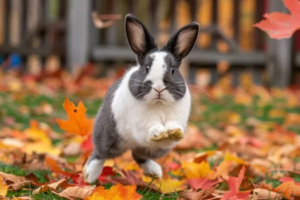
What Does a Doe in Heat Look Like?
A doe's heat is mostly induced by stimulus. Breed, age, health, climate, and environment all shape it — summer heat cuts appetite and heat rate, winter cold and scarce greens do too. In heat she turns excited and active: stomps, paws the floor, eats less or refuses food, mounts other does, and seeks the buck; her vulva goes pale at rest, pink early, deep red at peak with swelling, then purple-red. The cycle is 8–15 days, each heat 3–5 days; place her with the buck at the start. Neuter if not breeding.

How to Handle Severe Bad Breath During Dog Teething
Severe breath in a teething dog is uncommon — usually it means retained baby teeth, low calcium or vitamin B, or poor oral hygiene. Check for adult teeth with baby teeth still in (a double row) and see a vet; clean with a finger and saline, not adult toothpaste; give a soft chew stick to loosen baby teeth and aid cleaning (skip if the gut is weak, and pick soft sticks since dog enamel is 1/5 human); and add calcium, phosphorus, vitamin D, and B via tablets or carrot and banana.

Key Details Every Hamster Owner Must Know
Hamsters are easy but neglect invites illness. Key points: on arrival keep them in a quiet, dim spot and do not handle them (stress causes diarrhea or bites); never sunbathe them or put the cage on a damp floor; keep air flowing and the cage away from wires or wallpaper they may chew; feed only hamster mix (never human sweets, milk, chocolate) plus dried fruit/veg and nutritious treats like dried shrimp or mealworms; give chew tools (sticks, stones, grass bricks) as teeth grow; use boiled, not raw, water and provide sand baths.

Why Does a Hamster Have Soft Stools?
Soft stool — yellow-green, soft, watery or mucus-coated, faintly smelly — differs from the normal dry black or dark-brown pellet. Causes: too much water (lots of fruit/veg or wet leaves), stress (fright, weaning, crowding, bad antibiotics), chills and colds, bedding or food allergy, or early wet tail (acute enteritis, with a clear or white mucus coat). Season changes raise risk, especially in prone hamsters.

Why Are Hamsters Easy to Keep?
Beginners pick hamsters because they are low-effort: they feed and drink themselves (no sitting, once or twice a day is enough, so trips away are fine), bathe in sand you provide, raise their own litters, need no walks, use a litter box (clean every 2–3 days), and take little space. Not effortless, though — still give them care.