Search Results
5279 results for “Can f 5”

What Foods Are Toxic to Parrots?
Many common human foods poison parrots — chocolate and caffeine cause hyperactivity, vomiting, and heart failure; avocado and fruit pits release cyanide; milk and lactose trigger diarrhea; alcohol, onions, persimmons, and carbonated drinks are also dangerous. Keep these out of a parrot's diet entirely, and rush to a vet if a pit is eaten.
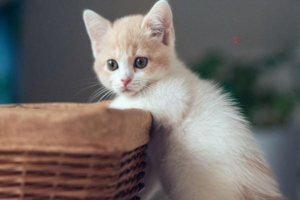
My New Cat Keeps Meowing and Is Afraid of People — What Should I Do?
A newly homed cat that cries and shies away is simply insecure — cats are cautious animals, and a strange home and stranger trigger fear and defensiveness. Give it quiet, a hiding spot, warmth, food left within reach, and something that smells like home; forcing contact can spiral into dangerous stress. Severe stress warrants a vet visit.
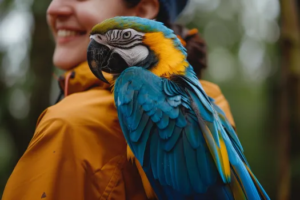
What New Parrot Owners Should Know: Advice for Beginners
New parrot owners should pick a species by interactivity, trainability, and looks, then focus on hygiene, safety, gentle handling, and steady learning. Avoid overly strong or wild birds, keep the cage clean and hazard-free, and build trust through patient training.

What to Do When Your Cat Has Hard, Dry Stools
Hard, dry stools usually come from a too-dry diet and too little water, and left alone they harm digestion. Fix them by adding vegetables and fruit, coaxing more water (a drop of honey helps), topping up vitamins, varying the diet beyond one kibble, clearing hairballs, and adding gut probiotics.

How to Treat Diarrhea and Watery Droppings in Parrots
Parrot diarrhea has many roots — bacteria, fungi, viruses, parasites, or toxins — and each needs a different treatment, so identifying the cause is the first step. Bacterial and parasitic forms respond to specific drugs, fungal and viral cases are harder and often need a vet, and organophosphate poisoning is an emergency.
Why Does My Dog Get Diarrhea After a Food Change?
Diarrhea after switching food usually means the change was too abrupt, not that the new food is bad — a dog's gut adapts poorly to sudden new ingredients. Stop the new food, return to the old diet with probiotics until stools firm up, then transition over seven days by mixing in gradually larger shares of the new food.
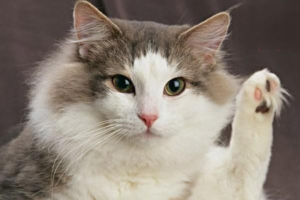
Why Does My Cat Always Point Its Butt at Me?
A cat that turns its rear toward you is usually showing trust — cats greet each other by sniffing hindquarters — or responding to a reflex from kittenhood, or simply enjoying a scratch. Other trust signals include head-butting, seeking you out, and kneading; you can build on that bond with patient, reward-based training from a young age.
How to Help an Overweight Cat Lose Weight
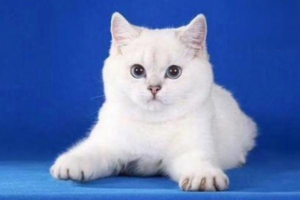
An obese cat faces diabetes, heart strain, and arthritis from the extra load. Slim it down with scheduled small meals, a cut in kibble and meaty toppers, more play (a wand toy for 15–30 minutes daily), and a high-fiber weight-management food that satisfies without many calories. If obesity brings concerning symptoms, see a vet.

Why Is My Cat Suddenly Drinking a Lot of Water?
Cats rarely drink much, so a sudden spike in thirst is often a red flag — kidney disease, fever, hyperthyroidism, or wet FIP, all of which need a vet. But if the cat is still lively and playful while drinking heavily, the cause is probably benign: hot weather or dry, salty food.

Why Do Indoor Cats Get Fleas?
Even cats that never go outside can pick up fleas—carried in on your shoes and clothes, passed from a new unquarantined cat, or brought in from the garden. Fleas breed alarmingly fast, so routine prevention matters. If fleas appear, isolate the cat, apply a topical ectoparasiticide such as fipronil, comb out the debris, and deep-clean the home.