Search Results
5279 results for “Can f 5”

Why Is My Dog Vomiting Yellow Foam and Mucus?
Yellow foam and mucus usually mean gastroenteritis, but the cause can also be parvovirus, indigestion from overeating, irregular feeding, internal parasites, or a swallowed foreign object. Because the causes range from mild to life-threatening, a dog that vomits repeatedly needs a veterinary diagnosis.

Why Is My Cat Having Diarrhea Again?
Diarrhea is loose or unformed stool from food moving too fast through the gut to absorb water and nutrients, and it can be acute or chronic. Causes range from infections, parasites, and diet changes to stress and underlying gut disease; at home, keep water available, feed small frequent easily digested meals, and use smectite or pet probiotics for mild cases — but see a vet for blood, fever, lethargy, or ongoing diarrhea in an unvaccinated cat.

What to Watch For When Bringing a New Cat Home
A new cat finds a fresh home stressful, so give it a quiet space, food and water, and time to hide — once it uses the litter box it has relaxed. Hold off on outings, baths, or forced cuddles, feed only a transition diet with a little probiotic for the first week, skip cow's or goat's milk (lactose intolerance), and go easy on canned food; when it finally rolls over and purrs, you have earned its trust.

How to Feed Cats at Different Life Stages
Feeding changes with age: newborn kittens need mother's milk or kitten formula (never cow's milk), wean onto soaked kitten kibble by two to four months, add cans and egg yolk through six months, switch to adult food after a year, and move seniors to soft or soaked meals. Match the diet to each stage to avoid malnutrition and tummy trouble.
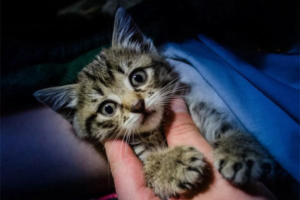
How Do Cats Apologize?
Cats do apologize — they just do it quietly. After misbehaving they may peek at you from hiding, roll over to show their belly, rub your legs, lower their head, meow loudly to cover embarrassment, or over-groom from anxiety. Reading these signals lets you forgive before scolding turns into stress.
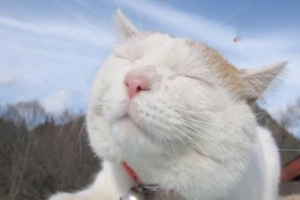
How to Help Your Cat Develop Full Cheek Jowls
Full cheek jowls are a male, breed-linked trait — Sphynx, calico, Devon Rex, and Siamese cats rarely develop them, so don't overfeed a cat that won't. For cats that can, deworm monthly, feed a protein-rich diet (35%+ kibble plus meat and egg yolk), and add vitamins; skip the daily nutritional paste, which just drives obesity.

What Causes Skin Abscesses in Hamsters
Hamster skin abscesses are usually bacterial — from fight wounds, foreign-object punctures, spoiled or sharp food in the cheek pouches, flea/mite scratching, or a blocked scent gland in males. Treatment is draining plus oral antibiotics at a vet (never neomycin or antibiotic ointments — they can kill); clean the pouch with saline for mild pouch cases. Act before the abscess ruptures, since worsening can be fatal.
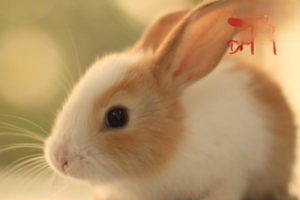
How to Bring a Non-Cycling Doe Rabbit Back Into Heat
A doe that won't cycle has physiological, pathological, or management causes. Congenital genital defects mean culling; nutritional extremes need feed correction; ovarian cysts take progesterone (5–7 days), persistent corpora lutea take cloprostenol, and infections get postpartum antibiotics. To prompt heat, improve ventilation and buck contact, group and stimulate with a buck, use cloprostenol with pregnant-mare serum, or short-term flushing — and remember heat stress is a common trigger.

Common Causes and Treatment of Ringworm in Cats, Dogs, and Rabbits
Ringworm (dermatophytosis) is a highly contagious, zoonotic fungal infection that strikes animals with weak skin immunity — especially youngsters and those in damp, dirty surroundings — and can pass to humans. Treatment means isolating the pet, clipping and disinfecting lesions, antifungal sprays or ointments (plus oral antifungals and B-vitamins for severe cases, with liver support), and thorough environmental cleaning; rabbits need ivermectin-based mite control to prevent it. Keep the home dry and ventilated, bathe sparingly with pet shampoo, and use a little sunlight to stop outbreaks before they start.

Things to Keep in Mind When Potty Training Your Dog
Potty training works best when the toilet spot is fixed away from food and bed, you watch for your dog's signals, you clean accidents so the scent does not draw it back, and you reward successes instead of scolding. Never punish a dog for accidents, as that creates toileting anxiety.